Bozzle.com and Bozzle.co.uk

Home >> Stippling techniques <<< Stippling


Stippling

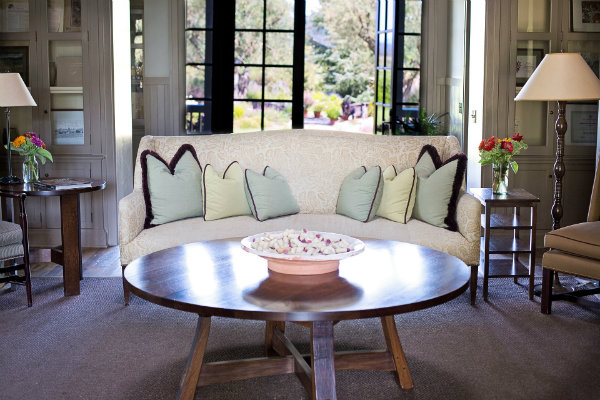
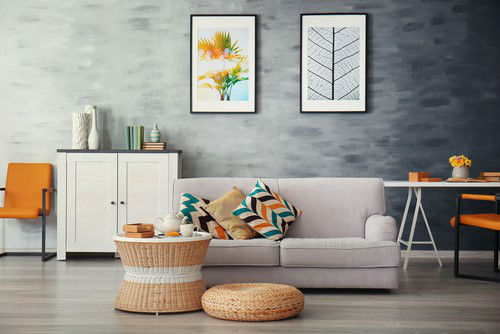
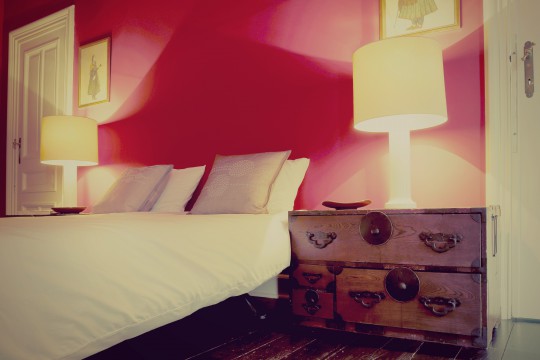
Stippling gives a gentle freckled appearance. The overall effect - is soft and tranquil. Stippling is ideal for bedrooms, living rooms, and anywhere you want to relax and unwind.
YOU WILL NEED

• Colored Emulsion or Special Effects paint.

• Silk as a background for your project,

Gloss or Quick Dry Satin as a background for woodwork and furniture.

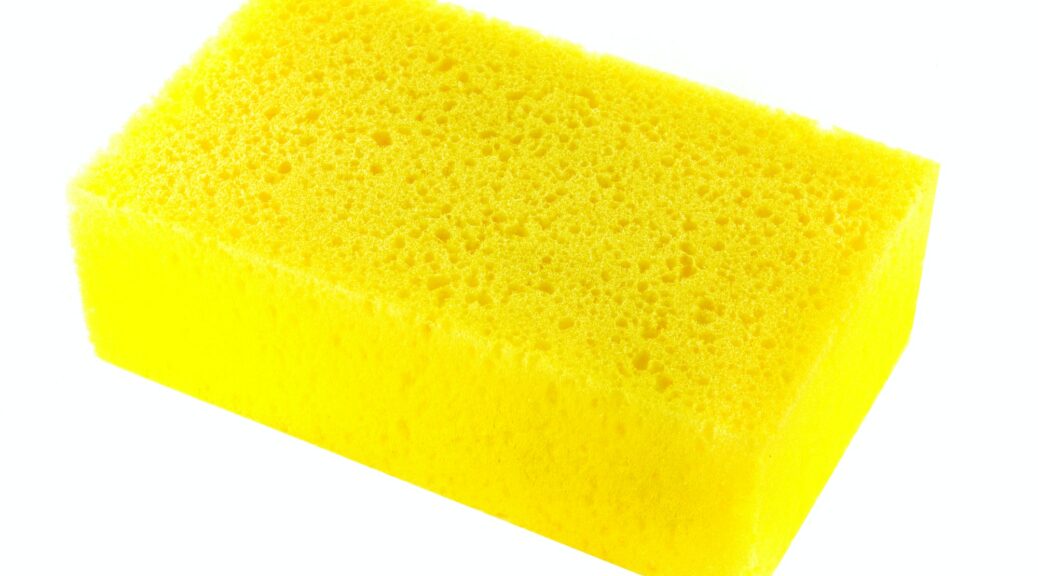
• Stippling brush or pad.stippler

• Brush, pad or paint roller and tray.

• Card to test your technique before painting.

*Do not use matt latex/emulsion for your background, as it is too absorbent

YOUR STEP BY STEP GUIDE

• Before you start, experiment on a card to achieve the desired effect.

• Ensure surface to be decorated is clean.

• Apply a basecoat and allow to dry.

Stippling Off

• Apply the paint over approximately a square metre area, using your brash or roller.

• With the paint still wet, pat the surface with the bristles of the stippling brush or pad.

• Stipple off in a random way. Avoid making vertical or horizontal bands which will spoil the effect. -

• To avoid visible seams between blocks, use your roller or brush to blend the two areas together

before stippling across the join.

• Work from the bottom to the top then across the wall, standing back occasionally to assess the effect.

Stippling On

• Apply some paint to your stippling brush or pad. For stippling on, a brush is much more effective.

• Dab the stippling brush onto the wall in quick soft pecking movements, working randomly

around the area to ensure a consistent pattern.

• Wait until the first coat is dry before applying a second coat.

USEFUL HINTS AND TIPS

• Allow enough time to complete a wall in one session.

• If a mistake is made, brush or roll over the area while the paint instill wet and re-stipple.

• Surfaces subject to wear and tear should be protected with clear varnish which should be applied after the effect has been allowed to dry for at least 24 hours.