painting and decorating on the net image

Home > Professional painting >> Period Styles  >> Georgian


Georgian (1714 - 1837)

Georgian Styles: spread over the reigns of George I, II, III, and IV

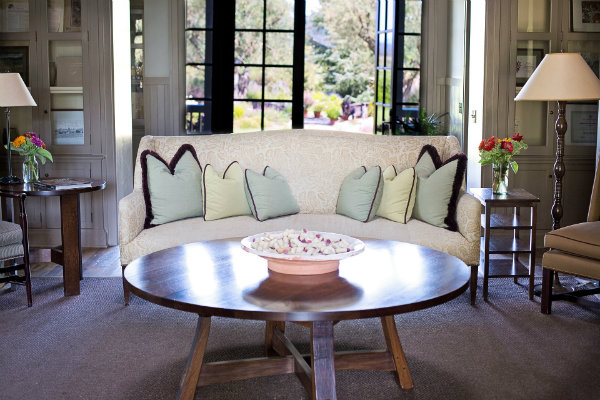
The Georgian styles belong to the Neo-Classic period. The first phase, also known as Decorated Queen Anne, shows a direct survival of the Dutch influence on classic forms. Rectangular lines are the rule, though often associated with ogee curves, some scrolling, and swollen festoons with heavy drops. Decorative methods included carving, turning, wainscoting, plaster moulding (especially for ceilings), rare inlaying, though free use of ornamental veneering, lacquering, painting, and gilding. The decorative motifs included human figures (single or grouped), animals, lions’ heads and satyrs’ masks, cabochons, cockle shells, acanthus leaves, honeysuckle, fuchsia bells and pendent husks. Bright colours were relieved by plenty of gold and the fine lacquered georgian periodbackgrounds.
Under George II the Palladian style assumed something like full sway. The architecture of Inigo Jones being a big influence during this period.

Later there came a reaction. The curvilinear prevailed over the rectilinear, at all events in decoration. Rococo decoration was general, with plenty of white, gold, and light tints. In decorative painting, Arcadian subjects took the place of mythological, classical, and martial.

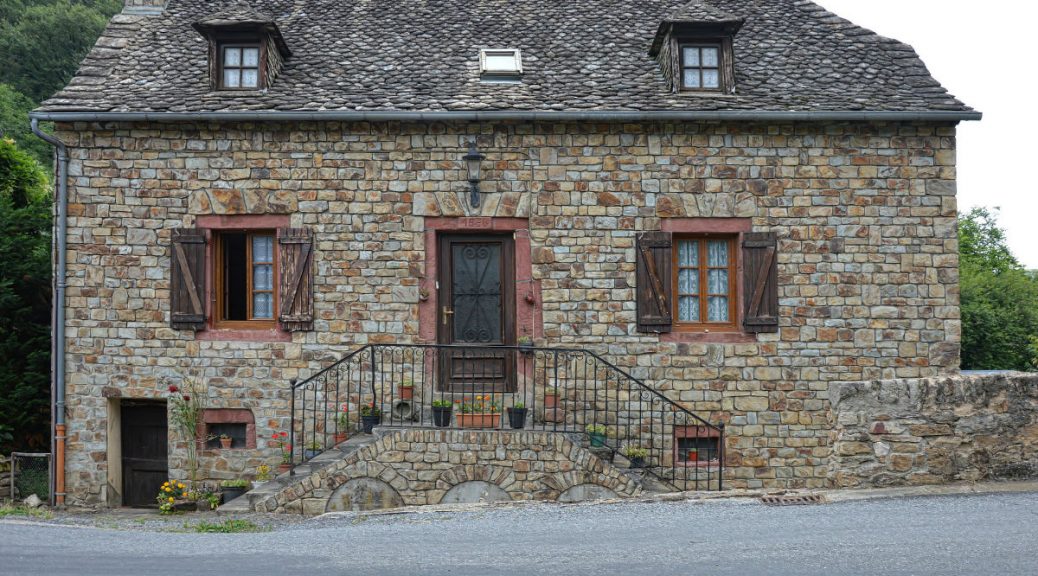
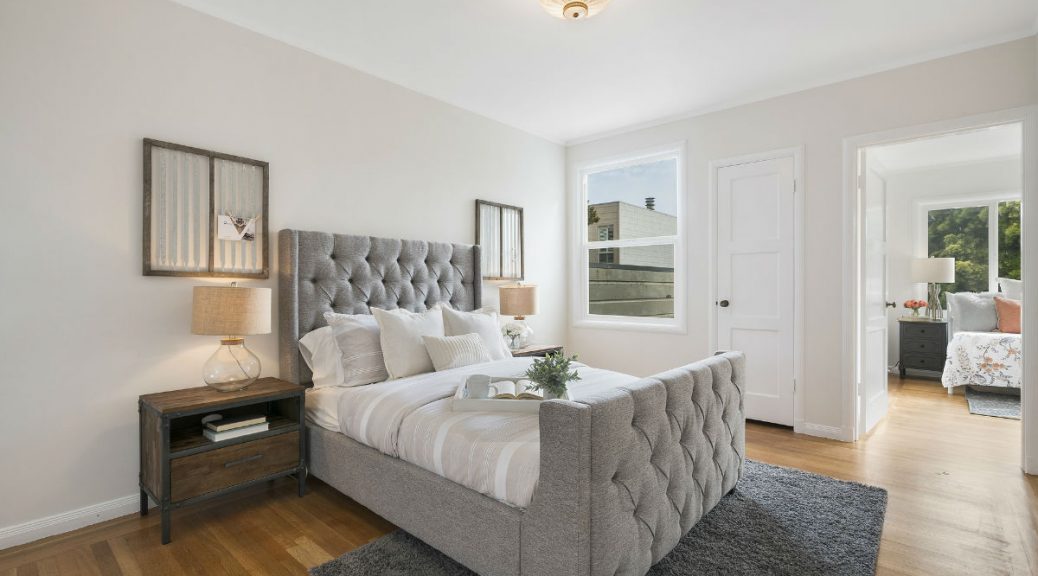
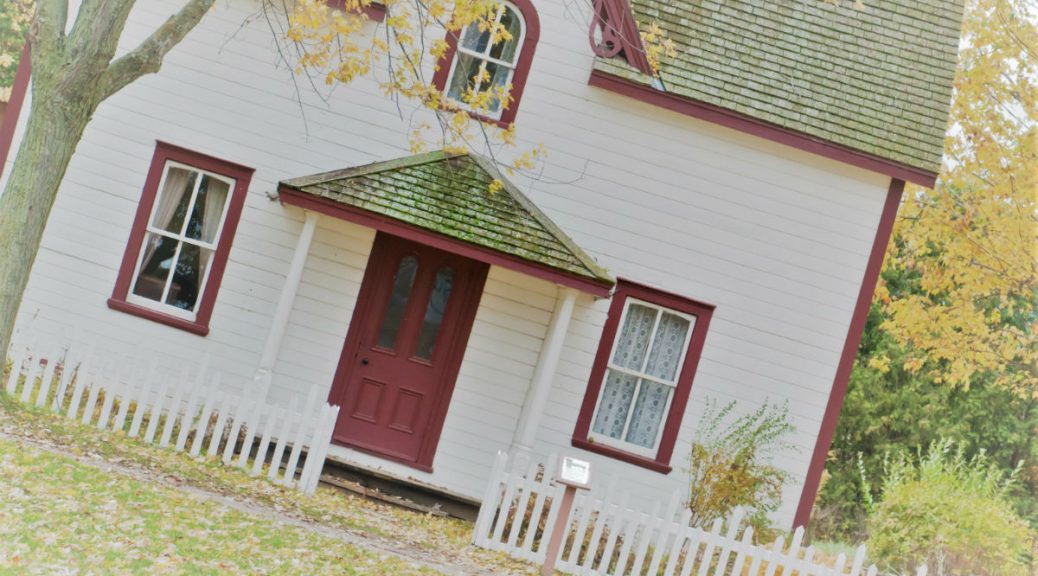
With George III we are in full flood of the Nec-Classic, though with such aberrations as a retention of the Rococo, the introduction of a Gothic revival, a Louis Quatorze and a Louis Seize revival, and an Anglo-Chinese style. It was partly the age of Chippendale and Sheraton. However, in the main it was the age of Adam and their disciples. Contours are usually rectangular, georgian housearchitectural features formal, though with some liberties as regards the all too prevalent pediment. Tertiary colours with gold and white are the rule. To carving and turning was added pierced fretwork. Inlay, including marquetry and polychrome inlaying of marble, vied with decorative veneers. There was still a good deal of lacquering but more of painting, which included the heroic decoration of ceilings, with rich borders of plaster rnoulded in high relief. Among the motifs we find classic and mythological subjects; wave and egg-and-dart mouldings; the acanthus leaf, shells and scrolls, lions’ and grotesque masks; beasts, birds, and fabulous creatures.

Late Georgian is marked by a Corinthian lavishness that was heavy and gross. Though houses were built for comfort, decoration fell into gilded decadence.


x