Period & Modern Styles
A decorator, to be fully equipped, should study ornament as applied to
architecture in different periods and countries, for, as we have already
pointed out, art, and especially decorative art, is a thing of slow growth,
whose beginning goes far back into the dim past. While every era and clime
has a characteristic stamp of its own, succeeding ages have been influenced
by the past, and thus the canons of decorative art have been established.
Not only so, but we have inherited from the past and many countries numerous
forms, such as the rosette, anthernion, fleur-de-lis, cross, swastika (or
cramponed cross), meanders and borders, which have become common property,
and appear, more or less modified, in most modern styles. So that, not only
to be able to understand our own styles, but in order to be able to design
with freedom and success we must be acquainted with the archaeology of the
subject.
At the outset it will be seen that the decorative styles of any given period
cannot be studied intelligently without possessing some knowledge of the
architecture that it served to ornament.
A decorator must, therefore, possess a knowledge of architecture in order
to understand his own branch thoroughly. Moreover, he is sometimes called
upon, in carrying out his work, to represent pictorially many of the structural
features of a period. To instance a few of these cases, we may mention the
painting in monochrome or in poychrome of friezes, architraves, pilasters,
arcading, colonnading, etc. To be able to do this we must know the forms,
proportions, materials, and possibly also the colouring.
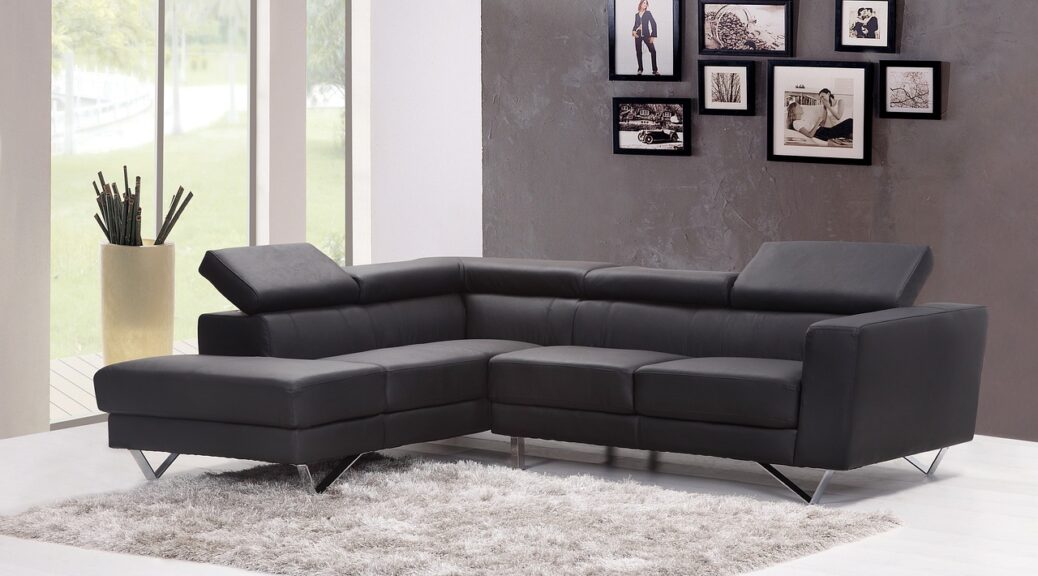
Styles come and go and generally develop in two main ways. The usual way is for the current style to evolve into a similar but much refreshed style. The second, more exciting way, is for the new style to break away completely from the existing style, sometimes going deliberately in the opposite direction. If you look back far enough into the past, you will find that most 'new' styles have been tried before. The only exception to this, is where new materials make new new shapes and designs possible.
|