|
Home > Professional painting
>> Period Styles >> Victorian
Victorian (1837 - 1901)
The notable increase in prosperity that accompanied the Industrial Revolution
was largely based on the accumulative benefits of inexpensive imports for
the colonies. This new found affluence and status for the middle-class, was

naturally revealed in the types of homes they lived in and the style in which
they decorated and ornamented them. Unsure how to begin this new style of
living, they chose architecture and furnishings that had previously been
only for the aristocracy and the upper class.
The critics of high Victorian style, known as the Aesthetic Movement, objected
not only to the style and quality of machine-made furnishings but also to
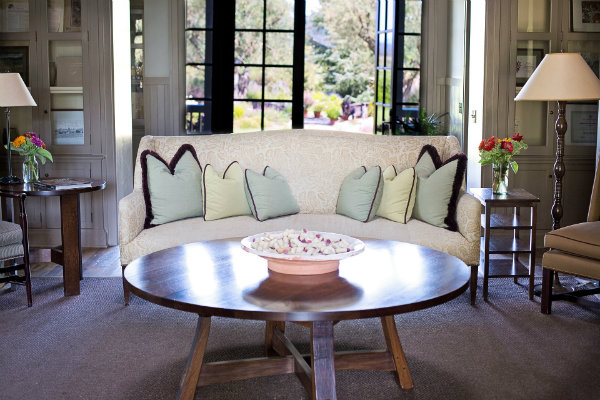
the manner in which they were used in the home. The typical middle-class
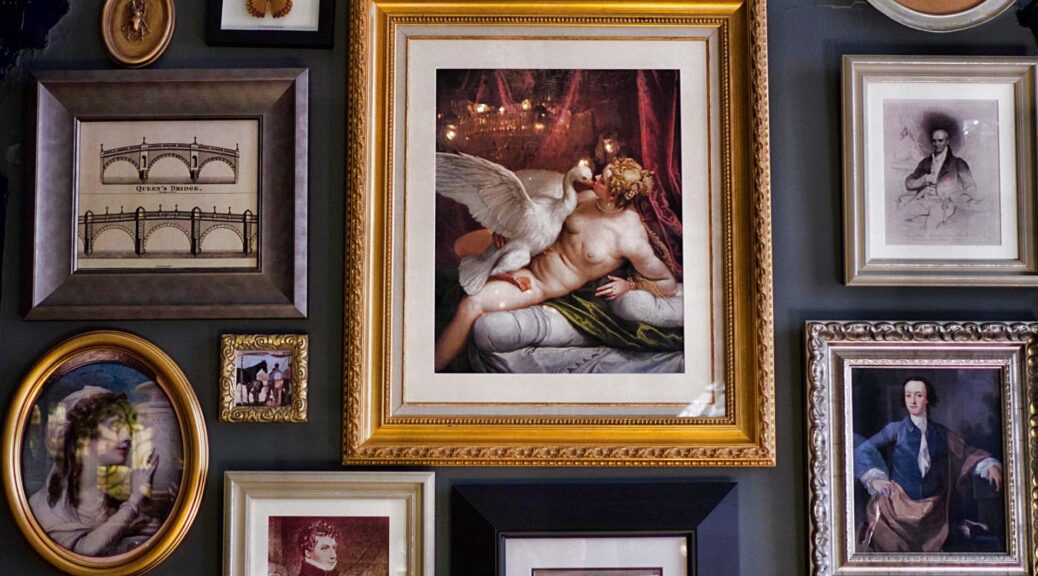
drawing room was crammed full of furniture , fabrics were used in abundance
and every available surface was overflowing with knickknacks. Such displays
were a means of showing off their new-found cultural interests, prosperity
and status. They were also in accord with the fashionable notion that bareness
in a room was in poor taste.
The followers of the Aesthetic Movement had a
completely
different view. Their furniture was inspired by Elizabethan, Classical Greek
and traditional Georgian forms. Fabrics were generally lighter and more subtly
colored.
The irony of the Victorian era is that in an age of rapid and significant
advances in technology, interior designers consistently looked to the past
for inspiration. Color schemes varied depending upon the location of
the home. Lighter colors tended to be avoided in town and city dwellings
due to pollution. Another factor in color choice was often determined by
the availability of pigments. In country areas, interior decorations were
often carried out by traveling craftsmen who carried limited supplies. Paint
had to be mixed on site with whatever locally available ingredients could
be found. For example, the blue-green colorwash used on wooden paneled walls
in country areas was derived from the earth pigment terra verde, mixed with
egg whites and buttermilk. It is, nevertheless possible to make some general
statements. For example, during the first half of the Victorian era, walls
were usually light colors except for diningrooms and libraries.
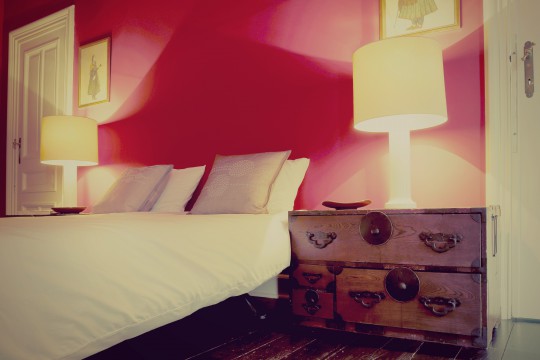
The second half gave way to much more vibrant, rich colors such as vivid
greens and mahogany brown typically found in bedrooms . During this period,
the general feeling was that deep, rich colors enhanced the importance of
a room. Owen Jones, architect and theorist of color and ornament, published
a handbook, in 1856, called The Grammar of Ornament. The basis of
Jones theories on the use of color was that it was
aesthetically correct to use a complex pattern consisting of one main color
and many subsidiary colors. Considerable thought was given to creating the
right balance of both color and texture between wall, molding, ceiling and
woodwork. Adding texture to a room was achieved through the use of wallpaper,
stenciling and specialist paint finishes such as sponging, marbleizing and
spattering. In most cases it was very difficult to distinguish wallpaper
from paint. The simulation of various kinds of woodgrain was another texture
adding technique.
Wallpaper in the early and mid-Victorian period elaborate scrolled floral
patterns were favored and primary backgrounds of red, blue and green overprinted
with shades of cream and tan were common. Later in the 19th century Gothic
inspired trellises painted in rich earth tones with stylized leaf and floral
work were frequently used in all rooms of the house.
The most authoritative and influential designer of wallpaper and fabrics
during this time was William Morris, architect, designer and founder of the
Arts and Crafts movement. Morriss patterns were inspired by Medieval
and Gothic tapestries. He was known as a genius for mixing strong, pure colors
to harmonious effect and giving a flat pattern a narrative quality which
was unsurpassed. Embossed paper were used on ceilings and frizes in order
to counterbalance intricately patterned and colored papers. In many cases
the chairs were covered to match the wallpaper.
|
|