Bozzle.com and Bozzle.co.uk

Home >>  Interior Decorating >>Sponging techniques >>>


Sponging

Sponging is effective and extremely versatile. It gives an all-over, random pattern that can be subtle or bold - it is up to you. If using muted colors, you will get a soft, hazy look, or a really striking 3-dimensional effect can be achieved by building up several layers in different colors.
YOU WILL NEED

• Colored Latex/Emulsion or Special Effects Paint.

• Silk as a background for your project,

Gloss or Quick Dry Satin as a background for woodwork and furniture.

• Brush or paint roller and tray.sponge

• Gloves.

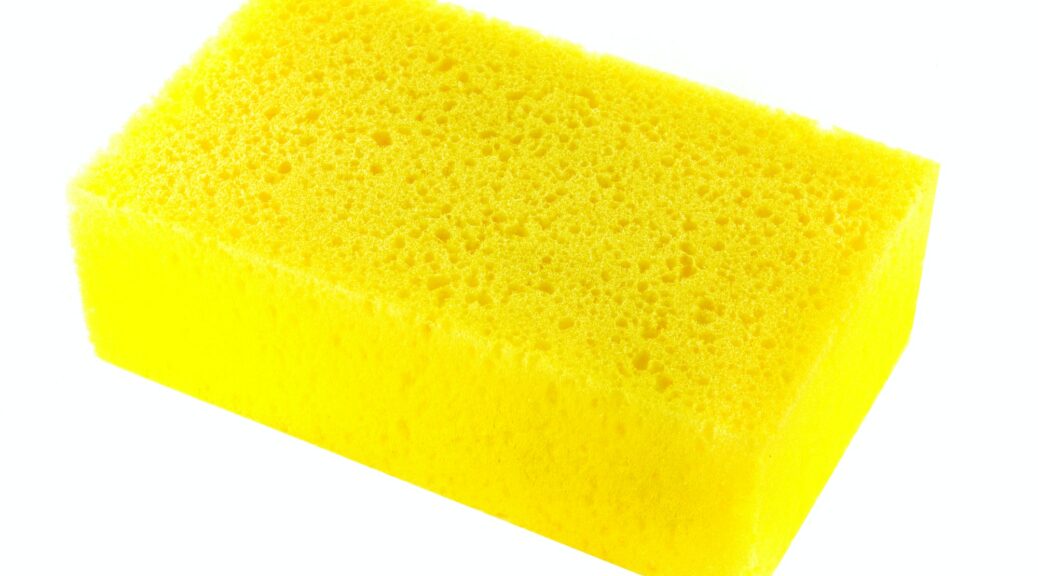
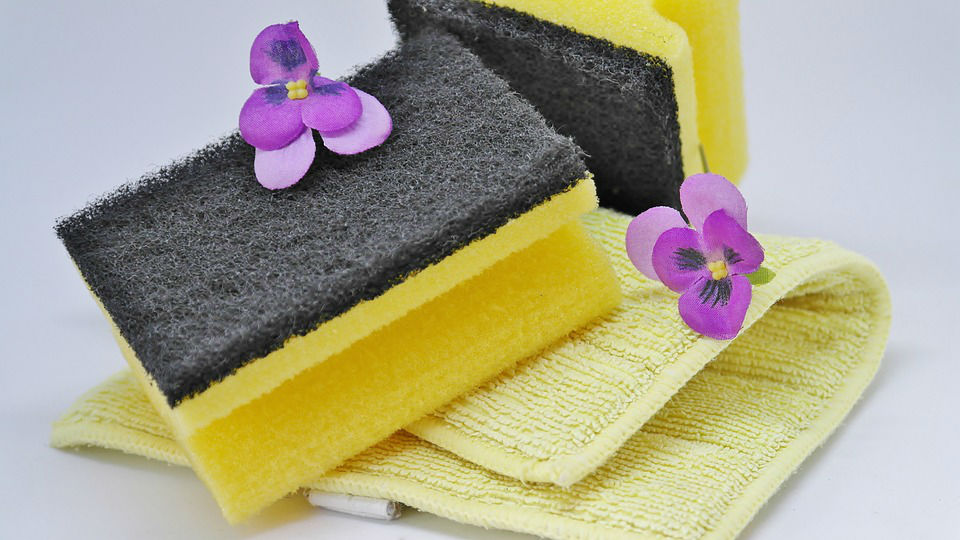
• Natural sponge or deep profile flocked sponge.

• Card to test your technique before painting.

Matt emulsion  can be used for your background,  providing you are sufficiently experienced.

YOUR STEP BY STEP GUIDE

• Before you start, experiment on a card to achieve the desired effect.

• Ensure surface to be decorated is clean.

• Apply a base coat and allow to dry.

• Dampen your sponge with water and stir your paint.

• Dip your sponge into the paint, avoid overloading.

• Pat the sponge gently on and off the wall taking care not to drag or smudge the area.

Keep changing the direction of the sponge to avoid unwanted repetition of patterns, standing back occasionally to assess the effect.

• Sponge internal corners after the effect has been applied to the walls. Leaving an irregular un-sponged margin on either side of the corner, then use a small piece of sponge to fill and blend these areas into the rest of the effect.

USEFUL HINTS AND TIPS

• When sponging several colors, wait for each colour to dry before adding the next.

• If you are sponging ‘off’, roll a small area with semi-transparent paint then dab it off to reveal the background color. Wipe excess paint from the sponge as you go.

• You can sponge ‘on’ with standard emulsion paint, but it will not be semi-transparent and will dry much quicker.

• Leave mistakes to dry before sponging over with the background color.sea sponge

• Simply wipe over minor mistakes and re-sponge.

• Surfaces subject to wear and tear should be protected with clear varnish which should be applied after the effect has been allowed to dry for at least 24 hours.

TIPS FROM AN EXPERT

  • Wash the sponge out frequently using running water.
  • Wash out the sponge when it starts to feel heavy.
  • An imitation sea sponge can be made from a standard decorators sponge, as follows;
  • Pinch off all straight edges using your fingers or pliers
  • Gradually distort the shape by pulling pieces from the sponge.