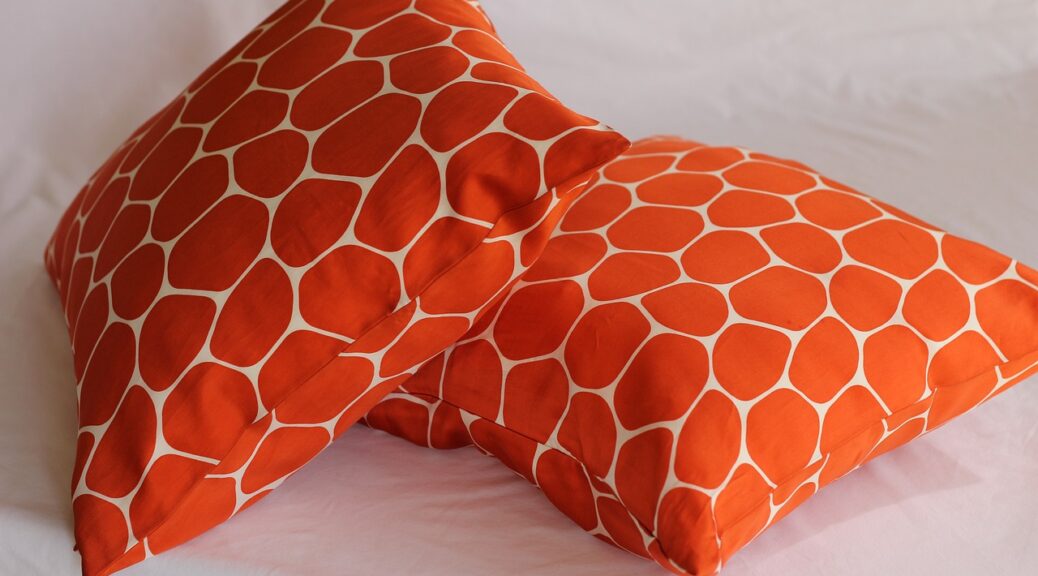
Home >> Interior Decorating >> Rag rolling techniques >>> Rag RollingRag Rolling creates a fascinating rippled look. It is an exciting effect that can add life and sense of movement to a plain room. You can use it all o your walls or just in feature areas. YOU WILL NEED Colored Emulsion or Special Effects paint. Silk* as a background for your project, Gloss or Quick Dry Satin as a background for woodwork and furniture. Ragging chamois or ragging cloth.
Brush or paint roller and
tray. Gloves. Card to test your technique before painting. * Do not use matt emulsion for your background, at it is too absorbent. YOUR STEP BY STEP GUIDE Before you start, experiment on a card to achieve the desired effect. Ensure surface to be decorated is clean. Apply a base coat and allow to dry. Dampen the ragging chamois or cloth and squeeze out any excess water. Ragging Off Apply the paint over approximately a square metre area, using your brush or roller. With the paint still wet, roll the bunched ragging chamois or cloth across the surface in a random or S shape. Squeeze excess paint from the rag as you go. To avoid visible seams between blocks, use your roller or brush to blend the two areas together before ragging the join. Work from the bottom to the top then across the wall, standing back occasionally to assess the effect. Ragging On Apply the paint to your ragging chamois or cloth. Squeeze excess paint from the rag as you go. Cover the painted wall in widely spaced prints and gradually fill the gaps so that an overall pattern develops. Apply the cloth at different angles and re-bunch frequently to avoid a repeated print. USEFUL HINTS AND TIPS Allow enough time to complete a wall in one session. When your chamois or cloth becomes clogged, rinse it through. When working with a partner, keep to the same job - variations in your ragging techniques may become visible. When you have finished ragging a wall, wipe down the corners of adjacent walls to remove any unwanted paint. Surfaces subject to wear and tear should be protected with clear varnish which should be applied after the effect has been allowed to dry for at least 24 hours.
Home|
Professional Decorating |
Interior Decorating |Home Decorating|
Painting the Basics
|Directory|Troubleshooting|Paperhanging
| Decorating Materials |
Glossary | Contact
and Links|
Conditions of Use
|Disclaimer |
Copyright NJM
©2000|Privacy Policy
Site Map |