|
Home > Painting basics
> Painting skills >
How to...painting skills > painting
wallcoverings
>>>
Painting over Wallcoverings
-
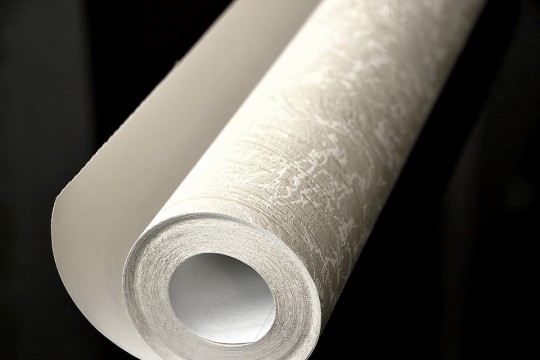
The most usual papers to paint over are woodchip, lining paper(blankstock), anaglypta and blown
vinyls.
-
Woodchip(a plain paper with small bits of wood throughout) comes in various
weights and degrees of coarseness. This is ideal for badly plastered, uneven surface or inferior surfaced walls particularly in older buildings.
-
Woodchip is good for hiding bad wall surfaces and ceilings and where a hard
wearing paper is needed. Ensure the woodchip is properly dry before decorating.
-
It is usual to paint wall coverings with emulsion(latex) paint, applying at least
two coats.
-
Anaglypta is suitable for finishing with gloss or eggshell; first applying
acrylic water-based undercoat or a shellac primer.
Painting over old wallpapers and wall-coverings.
It is possible to paint over most kinds of wallcovering.
All loose paper should be stuck down firmly. All repairs should be done before you begin to paint.
It is best to use a latex/emulsion water paint. If the wallpaper appears loose at the edges and at the top and bottom apply a solvent based primer. A proprietary solution such as Zinsser Bin. At least two coats should be applied; the first
coat being thinner than the second. When you apply the first coat, the paper
may bubble up here and there where the pasting was thin or inadequate. These
bubbles should go down as the paint dries but if the bubbles are especially
large (say, over 6 inches) then it may be better to cut the bubble open with
a sharp blade and slosh the paint underneath it and smooth it down.
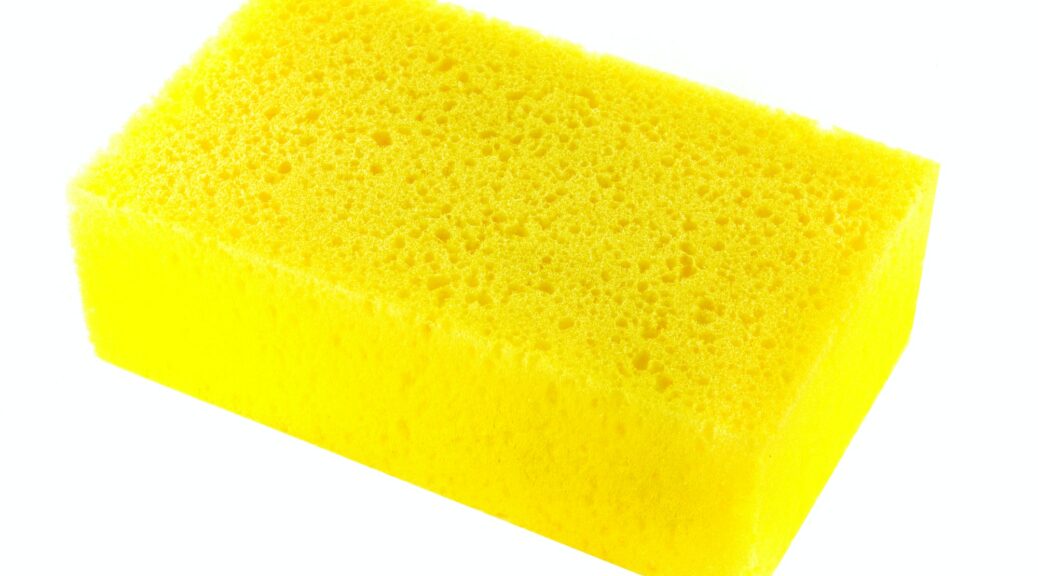
It is often a good idea when decorating over wallpaper to try sponging,
ragrolling or frottage as this will hide any defects in the wallcovering.
Directions for sponging, ragrolling and frottage can be found on this site.
Remember that wallpaper with even slightly embossed patterns will show when painted.
It is not a good idea to paint directly onto vinyl wallpaper as the edges tend to show more. Vinyl wallcoverings are fairly easy to deal with. Starting at the bottom
of a length, pick the corners carefully and pull gently until you have freed the complete width of a length, a couple of inches off the bottom. Holding the paper between fingers and thumb at both edges, pull the length slowly and the vinyl surface
will come away from its backing paper. You can remove the complete vinyl
surface, from its backing paper, in a room this way, then you can decorate the backing paper in the
normal way.
|
|