|
Home >
Paperhanging basics >
Wallcoverings
>>>
Types of wallcoverings
-
Vinyl-coated. Paper backed vinyl(normally just referred to as vinyl)
is one of the most common types of wallcovering and easy to hang. Paste only
one length at a time, allow to soak for 1 minute then hang. Trim with a craft
knife or sharp blade.
-
Vinyl. Easy to apply non-backed vinyl. You apply the adhesive to the
wall first and then fix the wallcovering to it. It is best trimmed with a
sharp blade or a craft knife.
-
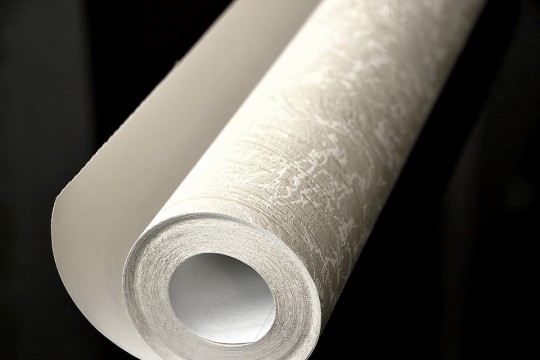
Anaglypta. A plain white 3D patterned paper that is normally painted
over. It comes in a standard range of patterns such as bubbles, squares,
swirls etc.
-
Blown vinyl. A heavily reliefed patterned paper which can be painted
over when it begins to fade or you are fed up with it.
-
Embossed. Papers that have relief pattern which are often coloured
and gold/silver leafed.
-
Flocks. One of the oldest forms of wallpaper. These have raised patterns
in fibre, powdered silk or wool which look and feel like velvet. Quite commonly
used in pubs, restuarants, clubs, hotels, but can look just as well in the
home providing you go for the more pastel colours.
-
Lining. This type of paper is used to prepare walls and ceilings for
painting or papering. As a general rule lining paper should be hung in the
opposite direction to the top paper.
-
Woodchip. Paper which contains small chips of wood. It comes in varying
degrees of coarseness and is normally used to hide defects in walls and ceilings
but is quite suitable for any decorating. It is usually painted when dry
and can be a cheap and effective way to give any room a facelift. It can
even be applied outside-in for a different effect.
-
Hessians. Wallcoverings made from natural fibres. Needs an extra strong
adhesive which can be bought ready-mixed. Also comes paper-backed, which
is easier to remove.
-
Foils. With a thin metal coating, highly reflective, needs a perfect
surface underneath otherwise you have problems. Apply according to manufacturers
instructions.
-
Silks.Like foils and hessians these usually come in extra-wide rolls.
Take care and follow the hanging instructions, they are fairly easy to apply.
-
Hand Printed Pulps. Here the pattern is printed directly on to the untreated surface
of the paper. Probably the easiest type of wallpaper to hang or strip off.
Tears easily but is very flexible and patches well when you make a mistake.
-
Lincrusta (Walton) A solid, flat-backed, low-relief material, (originally
composed of oxidised linseed oil and cork dust).It is made in a wide variety
of effects and patterns, includung imitation wood and tiles.
-
Washable. This includes papers described as scrubbable. Care must
be taken over the soaking time as the backing expands quicker than the front
layer causing wrinkling. Undersoaking will cause bubbles to form which
may be difficult to remove. Oversoaking will cause the paper to stretch
and then shrink when it dries showing up all the joints.
-
Hand-printed. Hand-printed pulps are generally untrimmed and come
from small exclusive outlets. Not recommended for the amateur decorator as
the surface is easily damaged, special gloves need to be worn to prevent
fingermarks, adhesive must be applied with a mohair roller, paper must not
be creased during folding(booking), it must be fixed to the wall using a
felt roller as a brush will damage it. Trimming machines are not recommended
for this type of paper. It must be trimmed on a steel plate using a sharp
blade cutting at a 35° angle into the back of the paper.
-
Cloth. Any type of fabric(including carpet) may be used as a wallcovering
and are usually applied in the same manner as Hessians.
-
Ready-pasted or pre-pasted. This must be soaked in water immediately
before hanging to activate the paste.
-
Unpasted. The majority of wallcovering are unpasted. Adhesive must
be applied according to the instructions on the label.
|
|