Painting and Decorating on the Net

Home > Paperhanging basics >> Hanging Hessian


How to hang unbacked Hessian

Unbacked Hessian

Before you begin, it will make things a lot easier if you make two bespoke tools. The first tool is a Space Stick; made from a flat piece of clean wood (it can be made from any length of wood, about a half an inch thick and up to an inch and a half wide). It must be cut to the width of the roll of hessian minus 1 inch.

The second tool is Scrim Pole; it can be made from a wooden broom handle; cut approximately two to three inches wider that the hessian.
You will need:-
Strong sharp blades and/or a StanleyTM or craft knife.
Steel Straight Edge, at least 1 metre long.
Medium width (6 - 9 inches) roller(with a medium nap) and tray for the paste.
Extra strong proprietary made paste, ready mixed in tubs.
Tape measure.
Pencil (NOT a pen or felt-tip).
Clean foam or felt roller to smooth down hessian.
Small(about 1 inch) clean paint brush for pasting under edges once trimmed.
Bucket with clean water.
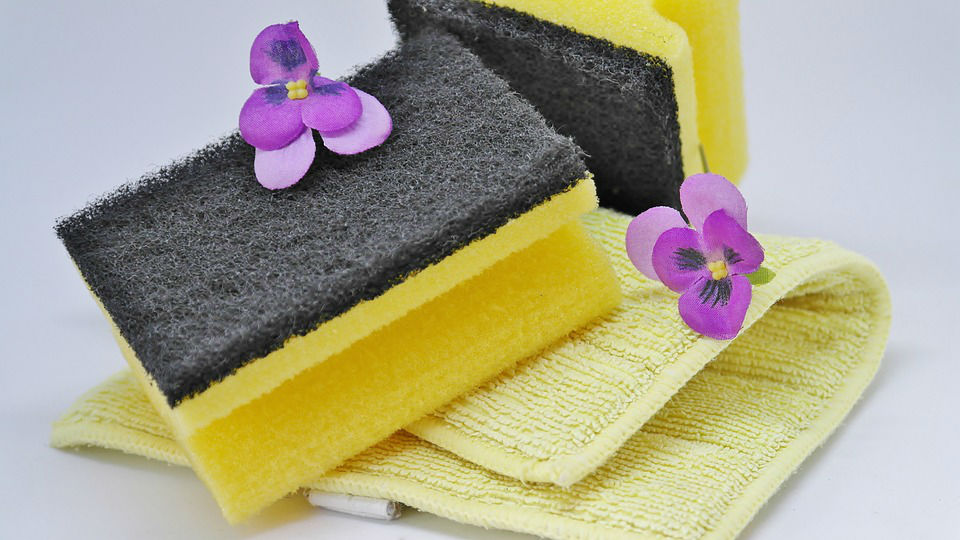
Clean sponges.
Space Stick.
Scrim Pole.
Step-ladder and/or required scaffolding.


  • Hessian comes in large rolls which are heavy to work with so you want to cut all of your full lengths at the beginning.
  • Measure the height of all walls and if there are any differences in height, then choose the highest as your guide when cutting the hessian.
  • Decide where to hang you first length; draw a line (using a plumb-line or long spirit level)in pencil from ceiling to skirting.
  • Measure the height from top of the baseboard/skirting to the ceiling; add nine inches; and then cut your first piece of hessian to that length
  • Roll that length round your scrim pole with the better/right side of the hessian facing inwards.
  • Using the roller, apply paste to one area between two of your vertical lines, keeping about an inch back from the lines. This type of paste will not run but do not apply too thickly as you don't want any paste coming through the hessian when you press it to the wall. You can use the small brush to apply paste next to the ceiling line and to the skirting/baseboard.
  • Starting at skirting level, allow 3 or 4 inches to fall over the skirting, then keeping to your guideline, unroll the hessian unwards, patting it gently to the wall with your hand until you reach the top of the wall.
  • Now flatten the hessian firmly and evenly to the wall with the felt roller. Don't use too much force. If any paste comes through the hessian clean it off immediately with a clean sponge. Check both edges to ensure any paste has not been squeezed up to the guidelines. If it has, wipe off with a sponge.
  • DO NOT TRIM the hessian at this stage.
  • Bozzle.com image:hessian paste and overlap diagram
  • Using the space stick, mark and draw the next vertical line. Because you don't need to worry about pattern matching, smaller areas can be done later. Small pieces are fixed to the walls in the same way as full lengths.
  • Paste the second area, as before keeping the paste an inch away from the guideline and also an inch away from the edge of the hessian already on the wall.
  • Hang the second length as before, keeping to the new guideline. This will cause you to overlap the first piece by 1 inch. (If you don't feel confident about cutting through a 1 inch overlap, then you can increase it to 2 inches. To do this just cut your space stick 2 inches narrower than the hessian.)
  • When all the hessian has been stuck to the walls leave overnight to dry and to allow any shrinkage to take place.
  • When the hessian is dry, trim top and bottom using a sharp knife/blade and a steel straight-edge.
  • Then trim each overlap by firmly holding the straight-edge in the middle of the overlap and cutting cleanly through the two layers of the overlap.
  • With the top overlap removed, the top length can be raised along the edge enabling you to remove the underneath overlap.
  • Using the small paint brush paste the wall underneath both edges of the hessian, taking care not to get paste on the front of the hessian. If you do get any paste on the front, wipe it off with a clean sponge.
  • Flatten down the edges with your hands and fingers; it is preferable not to use a seam roller as there is the possibility it may flatten the seam too much and so make the join stand out.
  • Internal corners and internal angles. Do NOT cut through both overlaps at once. Hold back the top sheet and trim the underneath overlap cleanly into the corner. Then paste down the underneath edge before trimming the top overlap.
  • NOTE. Do not stretch the hessian when you are applying it to the wall. Hessian is made from jute which is prone to shrinkage.

x