Bozzle.com image:painting and decorating on the net image

Home > Professional painting >> Period Styles  >> William and Mary


William and Mary (1689 - 1702)

The marriage of the Dutch William of Orange (William III) to Mary II of England produced a period of Dutch influence on English decoration, furniture making and to a lesser extent on buildings.
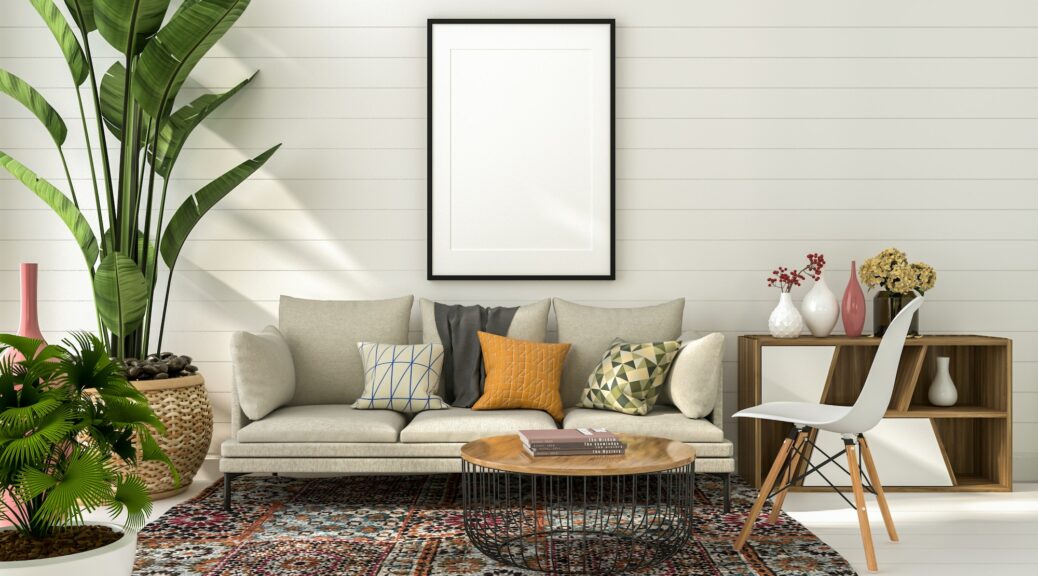
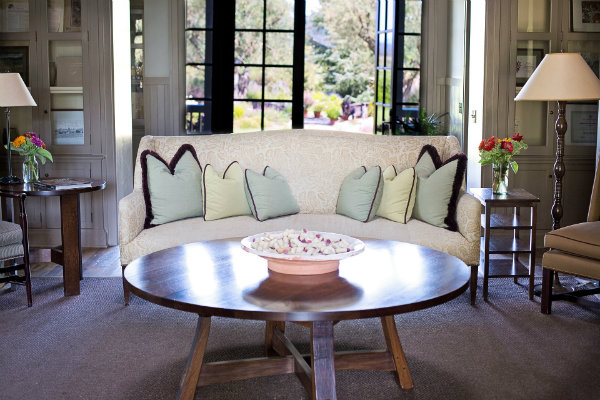
During this period many Dutch craftsmenBozzle.com image:William and Mary coffee table andfurniture came and worked their trade in England.
In the William and Mary style ornaments are rather heavy and of Dutch taste.
This followed on from the even heavier English Restoration, baroque style.
They liked the flowery French style and oriental bright colors.
Double hooding, of the ogee type, was common.
The carving was bold, chiefly floral; carving was complicated, noticeable for the bold rings, the reversed cups, and the spirals.
Gilding became fashionable.
Veneer was freely used, “oystering” being in great favour.
Marquetry was stiff; often in monochrome, as with the geometrical, cockleshell, and wheel patterns, but dark-hued woods were also used for the floral designs, which were rather open and formal.
Brass fittings became popular.
Pannelling on walls and ceilings also became extensive.
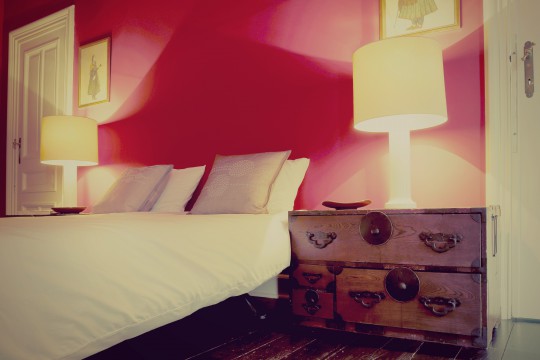
Lacquering was in favour and usually bright.Bozzle.com image:william and mary coffer Painting was formal and dark in tone, as was most colouring, though relieved by abundant gilding.
Among the motifs we find shells, the acanthus leaf; flowers, fruits, seaweed and scrolls.
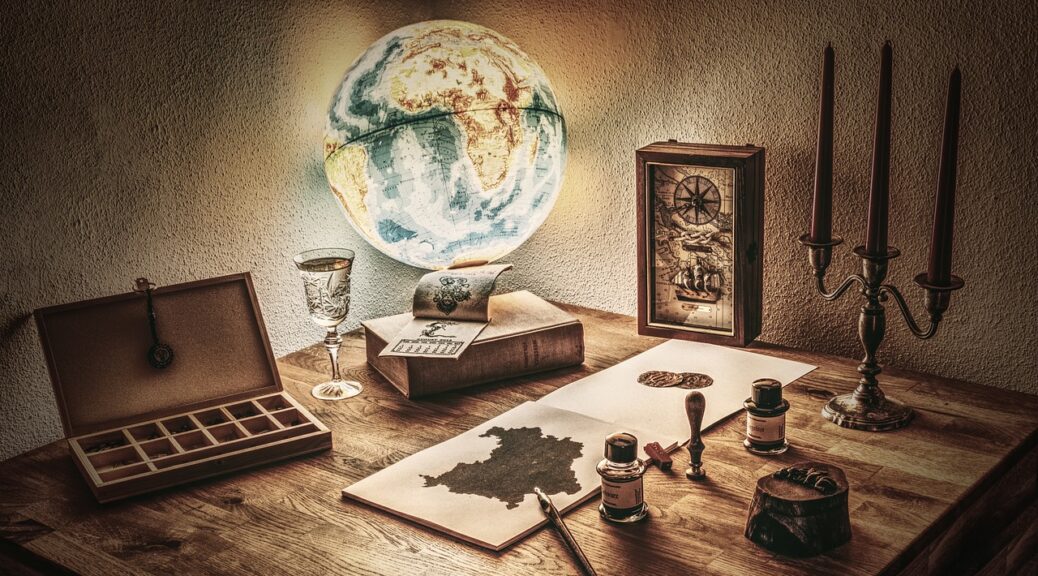
Lacquer was largely used and decorated in the” Oriental” taste. These “Oriental” (primarily Chinese and Japanese) designs we find transferred to walls and ceilings, the patterns including landscapes, architectural features, figures, birds, and flowers.
Some of the wallpapers and panels used were imported; others were imitated with Occidental additions.
Following the deaths of William and Mary, the Queen Anne period introduced a lighter and more graceful style.


x