Elizabethan.
Elizabethan Period Decorating
1558 - 1603
The Elizabethan period in English history was marked by the influx of Renaissance ideas, which didn't actually reach England until well after they were commonplace in Italy. The period began at the time when Elizabeth took the throne in 1558, ending when she died in 1603. Queen Elizabeth I played an important role in English history, which is evident by the fact that the time period is marked with her name instead of that of her father's. During this time period, a person's level of personal wealth was often expressed by the furniture choices they made. As a result, furniture pieces from this time period tended to be large, heavy, and elaborate.
Identifying Features of Elizabethan Furniture Pieces
In addition to their large size, furniture pieces tended to be bulbous in shape. Carvings and ornamentation were common, as was inlaid work. Prior to the Elizabethan period, furniture pieces were commonly made from oak. Although oak was still used during the Elizabethan period, walnut became more prevalently used. Although walnut gave the pieces a lighter look, the furniture was less sturdy than previous oak pieces. As such, many decorative furniture pieces were used in the gallery. The gallery was a feature of homes during this time period, designed for the purpose of strolling or playing games. This area of the home was frequently used to display the finest and most decorative pieces of furniture. Furniture pieces made of stronger and sturdier oak were more likely to be found in the home's halls. Unfortunately, because of walnut's lack of strength, there are far fewer surviving pieces of antique furniture from this time period.
Elizabethan Furniture Influences
The Elizabethan period was marked by a gradual combination of the gothic traditions of the Tudor period with the influx of the Renaissance movement. By the end of the period, the architectural and decorating styles had become almost garish in the amount of ornamentation, especially among the wealthy. During this time period, it was rare to find a surface that was not adorned or carved in some fashion. Although some people look upon this manner of decoration as the free expression of a craftsman's skill, others view it as garish and overdone. Although the decorative details were almost always overdone in some fashion, at least near the end of the time period, it did set the stage for a more refined use decorating techniques in years to come. For example, some or the highly ornate features that were common in Elizabethan furniture pieces were used during later time periods in a much more elegant and refined fashion. Although many people prefer the more refined look of later furniture pieces, it cannot be denied that these styles found their beginnings in the Elizabethan period.
Elizabethan Decorating Accessories
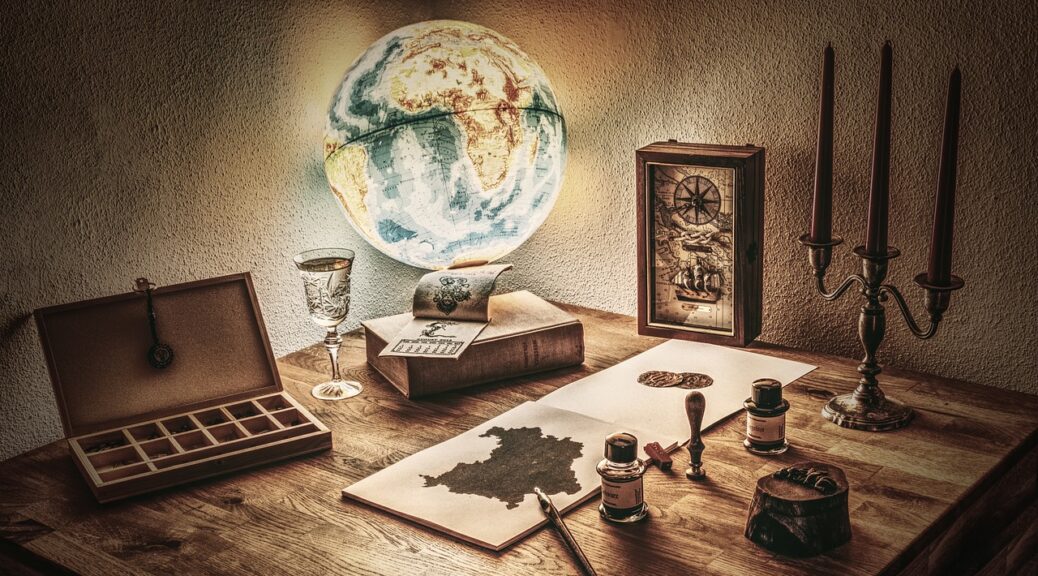
In addition to the highly ornate furniture pieces, homes and palaces alike were often decorated with highly ornate accessories. Decorative brass and pewter pieces were common, as were beautiful silk hangings and tapestries. In fact, many people attribute the start many of the interior decorating styles and accessories to this time period
| With signature design style, Jessica Ackerman, an online writer with WallDecorandHomeAccents.com, describes bold approaches to modern wood wall art as well as candle sconces and holders. | |
|