Bozzle.com and Bozzle.co.uk

Home > Professional painting >> Period Styles  >> Pompeian


Pompeian

Pompeian decoration is a transition style, partly influenced by the Romans, largely by the Greeks, treated with surprising freedom and daring fancy, though ruled by two fundamental laws of good design. Firstly, they painted mainly in the flat, or if they shaded and gave a certain roundness to the painted ornament, it was never so pronounced as to appear to detach the ornament from the surface it decorated. Secondly, they nearly always laced dark colours lowest, and in rooms we descend from white or very  light colours on the ceiling and frieze to the dark dadoes.
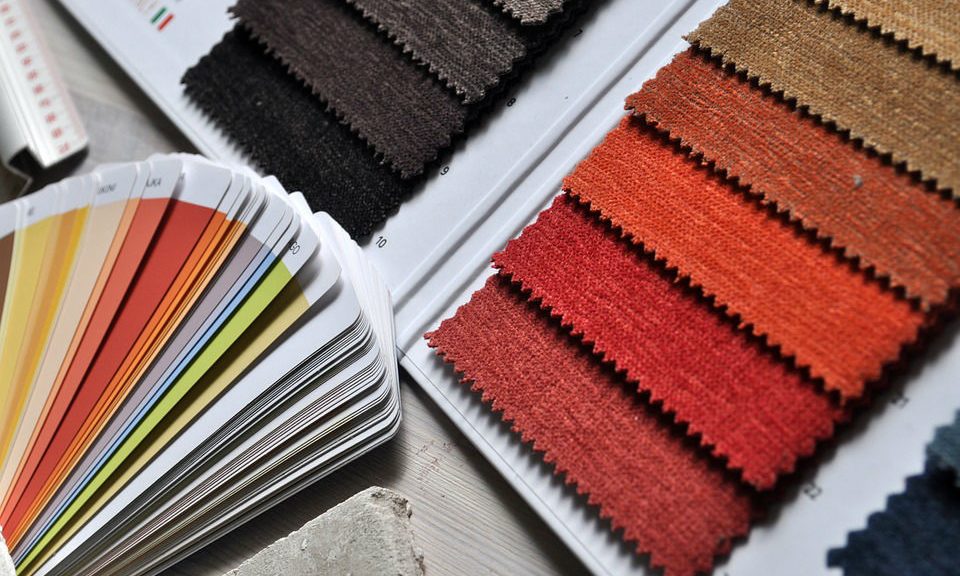
Colours were used lavishly, both on wide spaces and for ornament, and were placed in violent juxtaposition, but as primaries were not used, harmony was maintained. Reds had a good deal of blue in them, yellow much red; the blues were either blackish or grey; the greens had blue or yellow tones. The colour schemes, therefore, are somewhat startling, yet lacking in the brightness that we associate, for instance, with the colouring of the Gothic and early Renaissance periods.

Ornament was much on the same lines as that of Rome and Greece, but more freely treated; in the early decades flat, without shading, rather thin and sometimes applied by means of stencilling. Later there was some shading and rounding. An outstanding motive was the much-scrolled acanthus leaf, often the starting-point of elaborate grotesques or arabesques, flowers and leaves entwining or evolving into beasts, human beings and heads, monsters, etc. Candelabra of elaborate design were also common; so were termini, or figures whose busts ended in scrolled terminations or consoles. The wider panels on walls were sometimes covered with scenic paintings, either naturalistic or grotesques, containing pigmies and quaint beasts and birds.

x