painting and decorating on the net image

Home > Professional painting >> Period Styles  >> Norman


Norman (1000 - 1150)

Norman Style

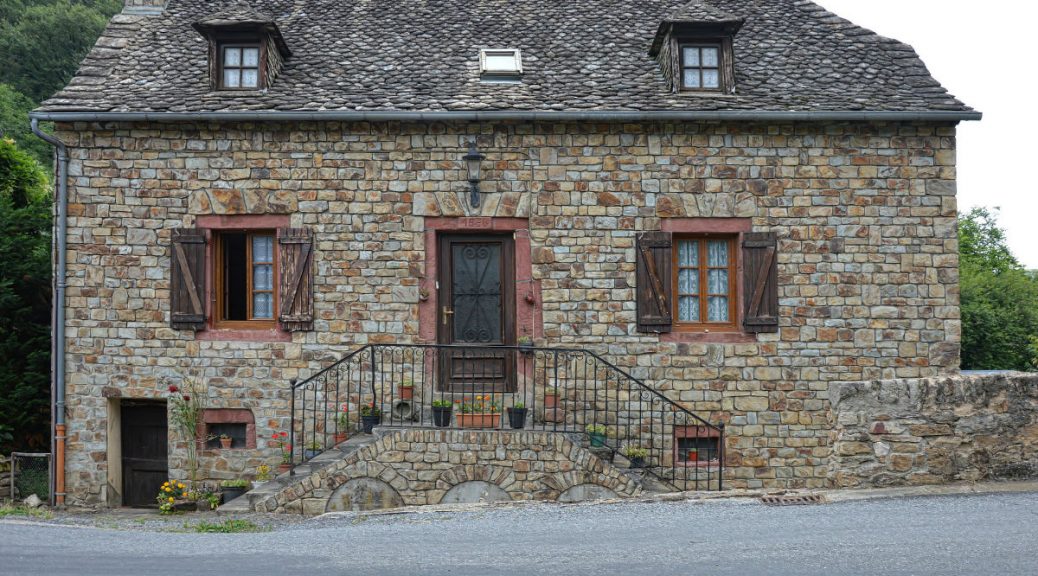
The Norman style is merely a local modification of the Romanesque of the Middle Ages, though showing many signs of a period of transition. It prevailed in England from about the year 1000 to 1150, the architecture being massive, with a tendency to be horizontal. The columns were circular or multi-angular, the capital diversified, sometimes rather squat and taking the same form as the column, at others square, or formed of inverted cones, decorated with stiff foliage. Doorways and windows were small, deeply recessed, and often richly ornamented. Early arches were semicircular, then those with obtusely pointed heads were introduced, and the two frequently used side by side. A square abacus was the rule.

Early mouldings were almost confined to the single chevron, which was afterwards multiplied and sometimes placed sideways. Others included the prevalent beak head, bird’s head, and cat’s head, billets (rolls, square- or chequer-prismatic), saw tooth, nail head, star, lozenge, reticulated or fret, chain, studded trellis, embattled, cable, fir apple, and rose. The carving, though lacking in refinement, is strong and skillful; the painting of figures stiff and angular; the colouring vivid, with strong contrasts and counterchanging. Walls, both in religious edifices and domestic buildings, were painted with pictures, including human figures, animals, and scenery, rather crudely done, but with plenty of character.


x