Arts and Crafts Style.
Arts and Crafts Style

The arts and crafts design movement began around 1860, continuing until around 1910. While it first took roots in the British Isles, it soon spread to both North America and Europe. This design movement was inspired by the opinion that the decorative arts were in rather downtrodden state.
The end result was an emphasis on art and traditional craftsmanship. Since it was basically thought of as an anti-industrial movement, there was a great deal of emphasis placed on handcrafted decorating techniques, folk art and other simple and yet beautiful forms of decoration.

Many people consider the "craftsman" style of decorating and the "arts and crafts" style of decorating to be essentially the same thing. However, although there are definitely connections between the two styles, the arts and crafts style tends to have a bit more emphasis on art and decoration.

Arts and Crafts Inspired Decorating Techniques

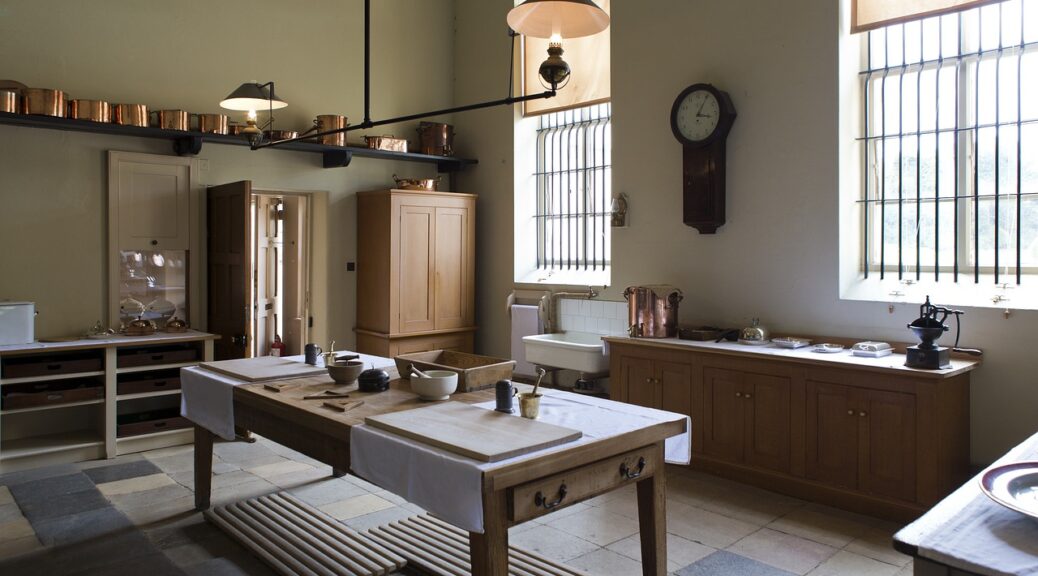
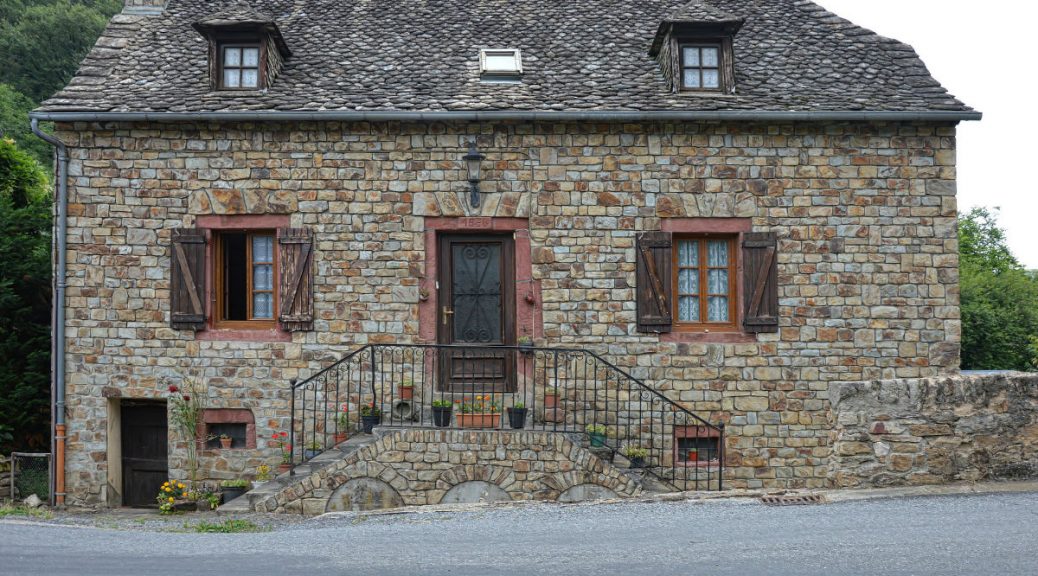
If you're lucky enough to live in a home that was actually built according to the arts and crafts style of architecture, it only makes sense to decorate it in a similar fashion.

However, due to the fact that the arts and crafts style is currently experiencing a revival in popularity, there are also many people who desire to transform their ordinary home into one that reflects this decorating style. It's actually quite easy to use arts and crafts decorating techniques to add the overall look to even the most average home.

Color Choices

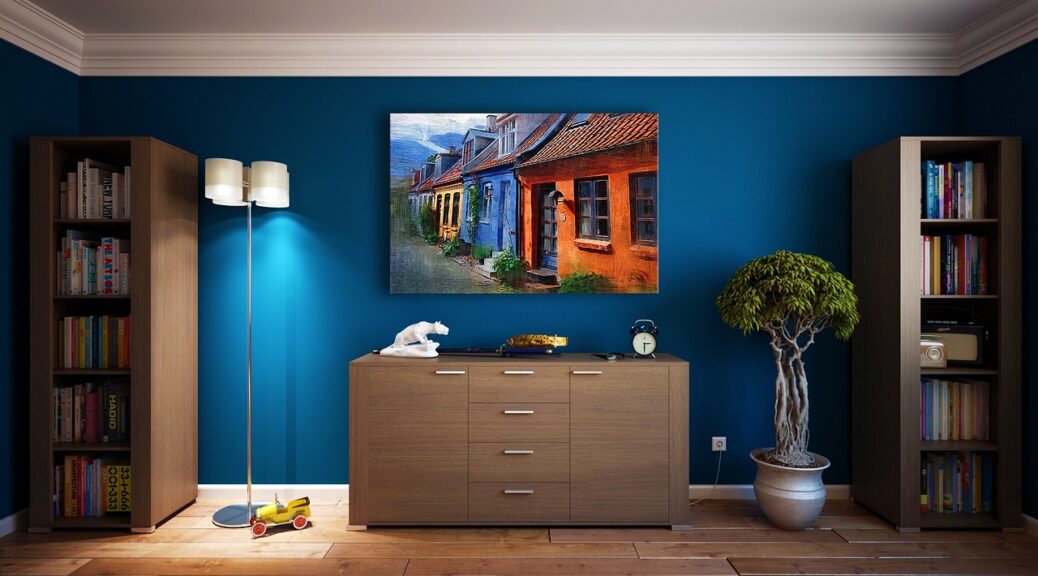
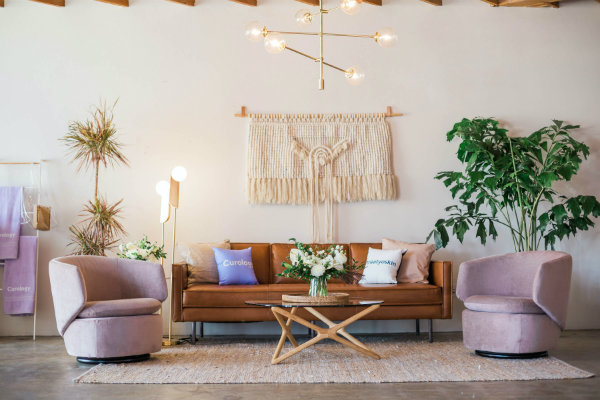
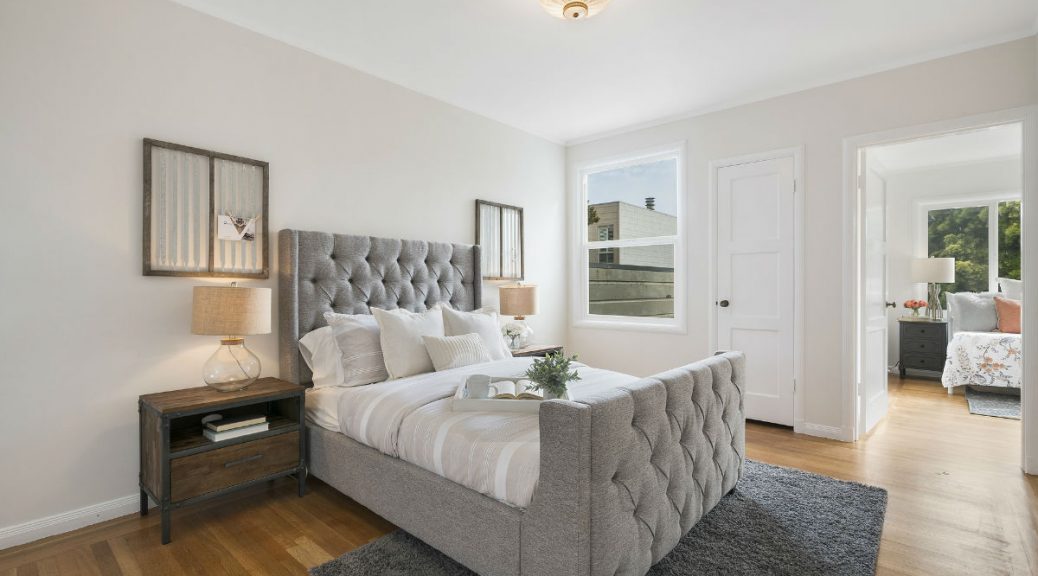
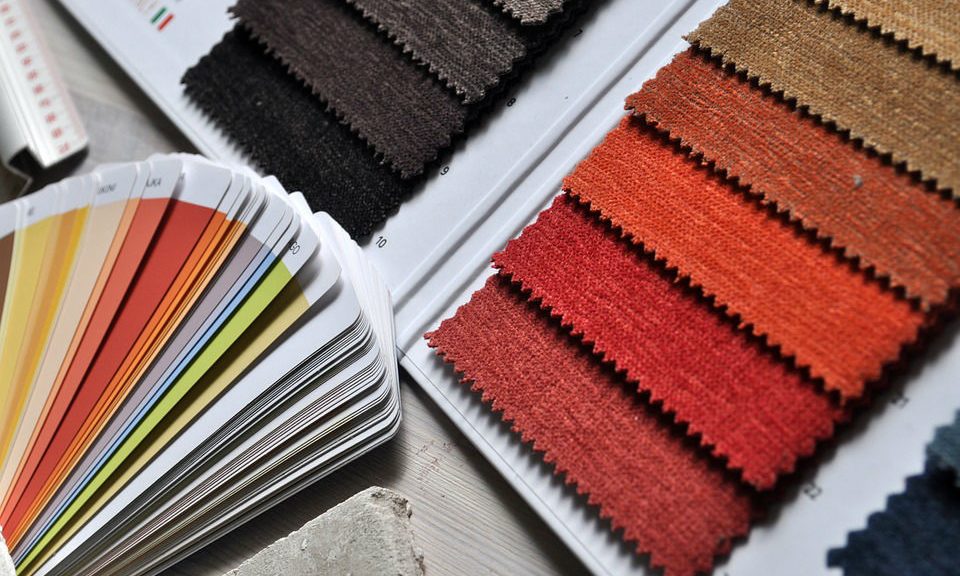
Natural colors are the norm when it comes to this style of decorating. Neutral shades are popular choices, as are colors inspired by nature such as soft green shades. It's best to carry this color palette throughout the entire home, as bright modern shades and prints will seem out of place.

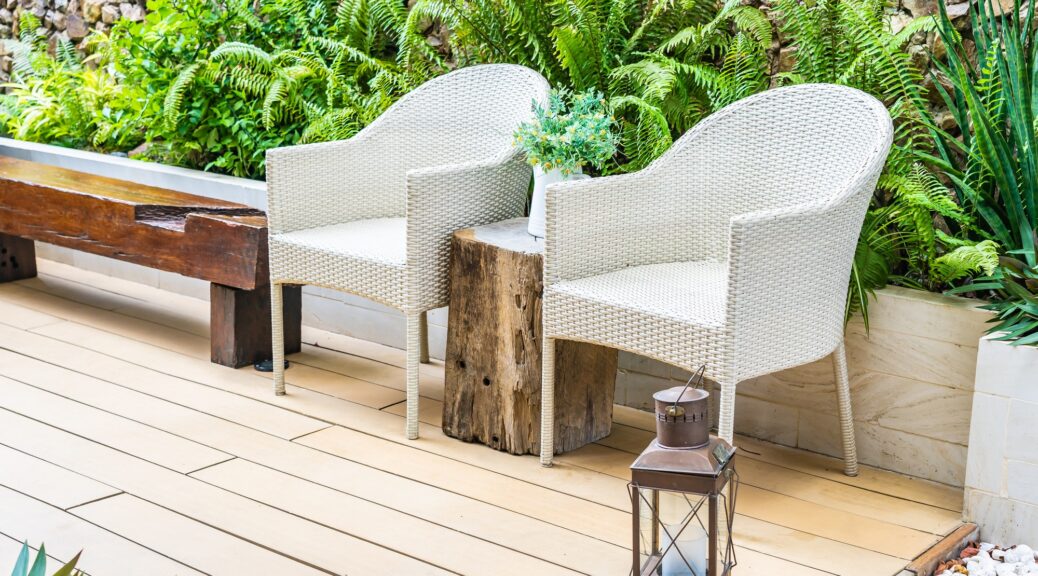
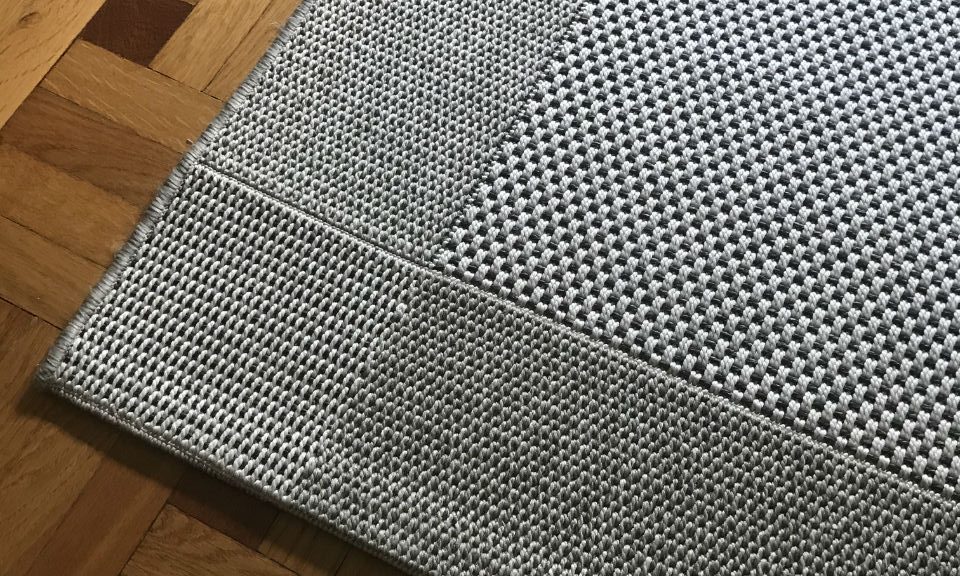
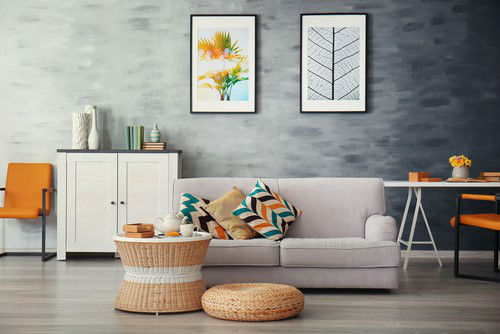
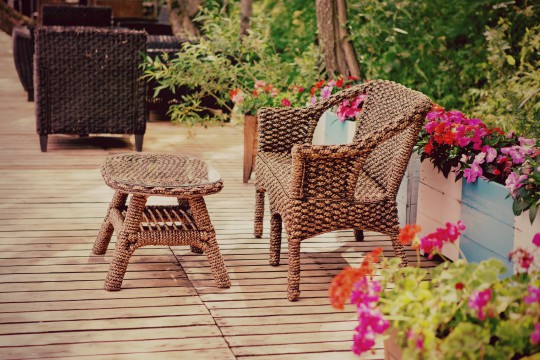
Instead, look for natural textiles, soft colors, hand-woven rugs, handmade pottery or wicker pieces, and other items that reflect human craftsmanship instead of industrialized manufacturing.

Decorative and Yet Simple

As compared to decorating styles such as minimalist or prairie style, the arts and crafts home will have more of a focus on beauty and decoration.

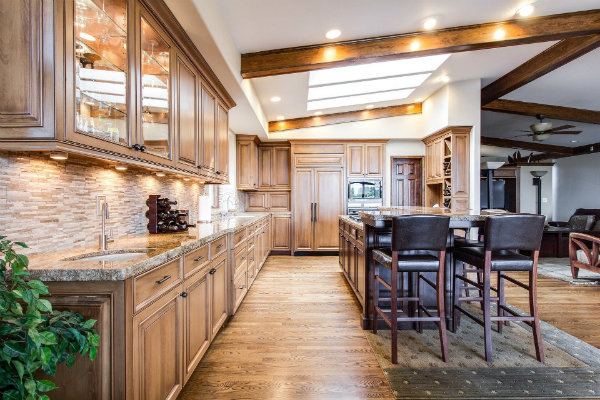
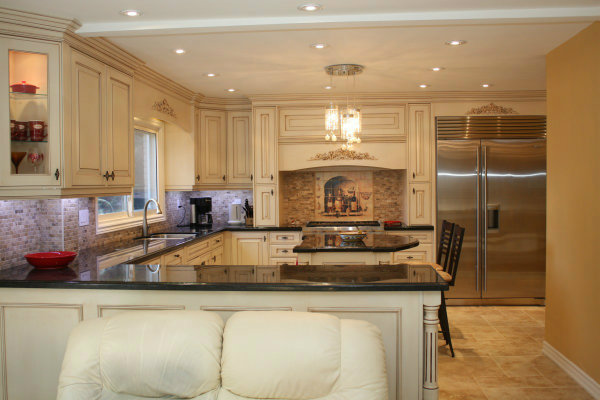
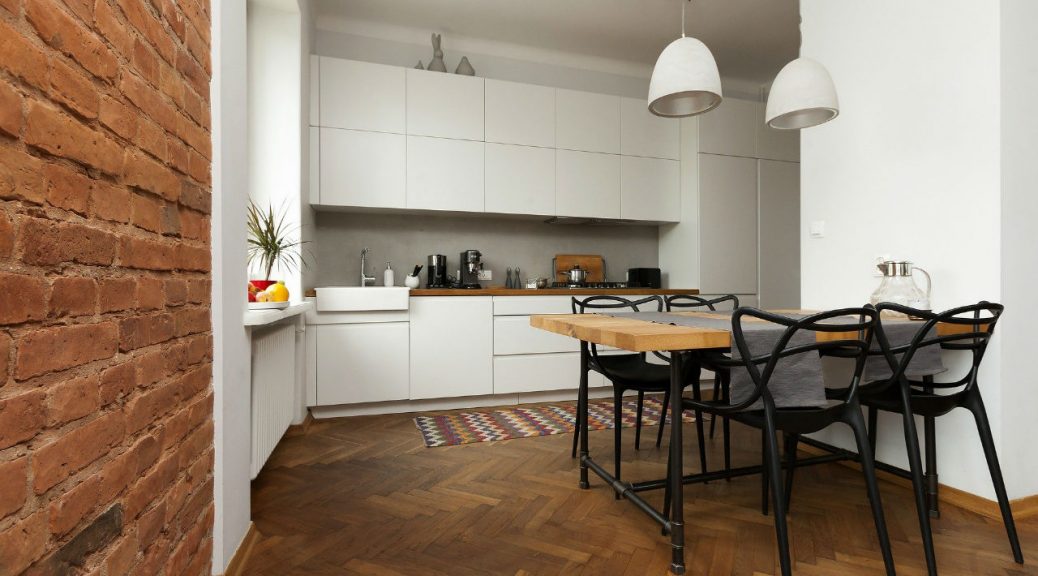
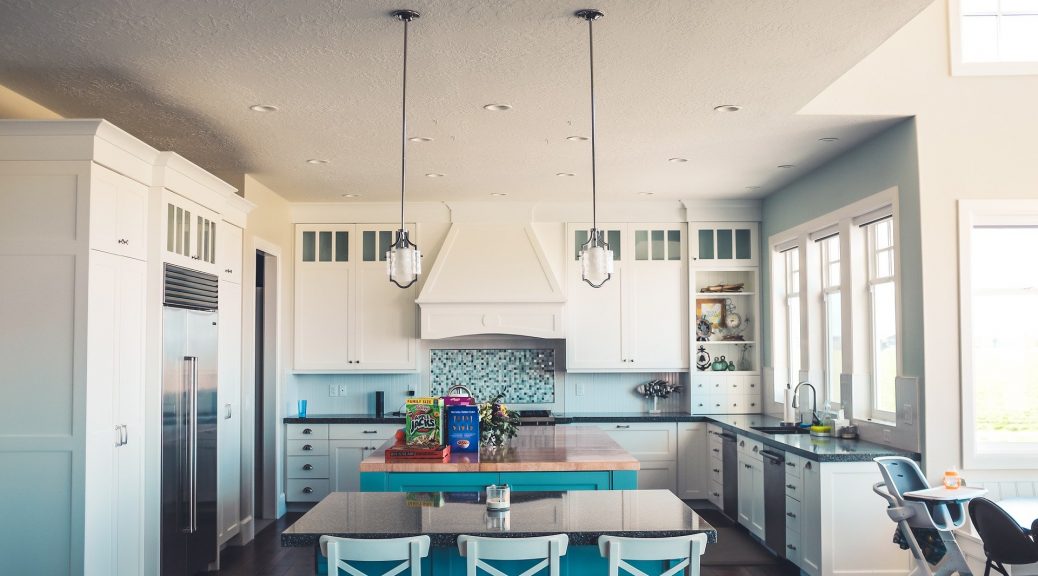
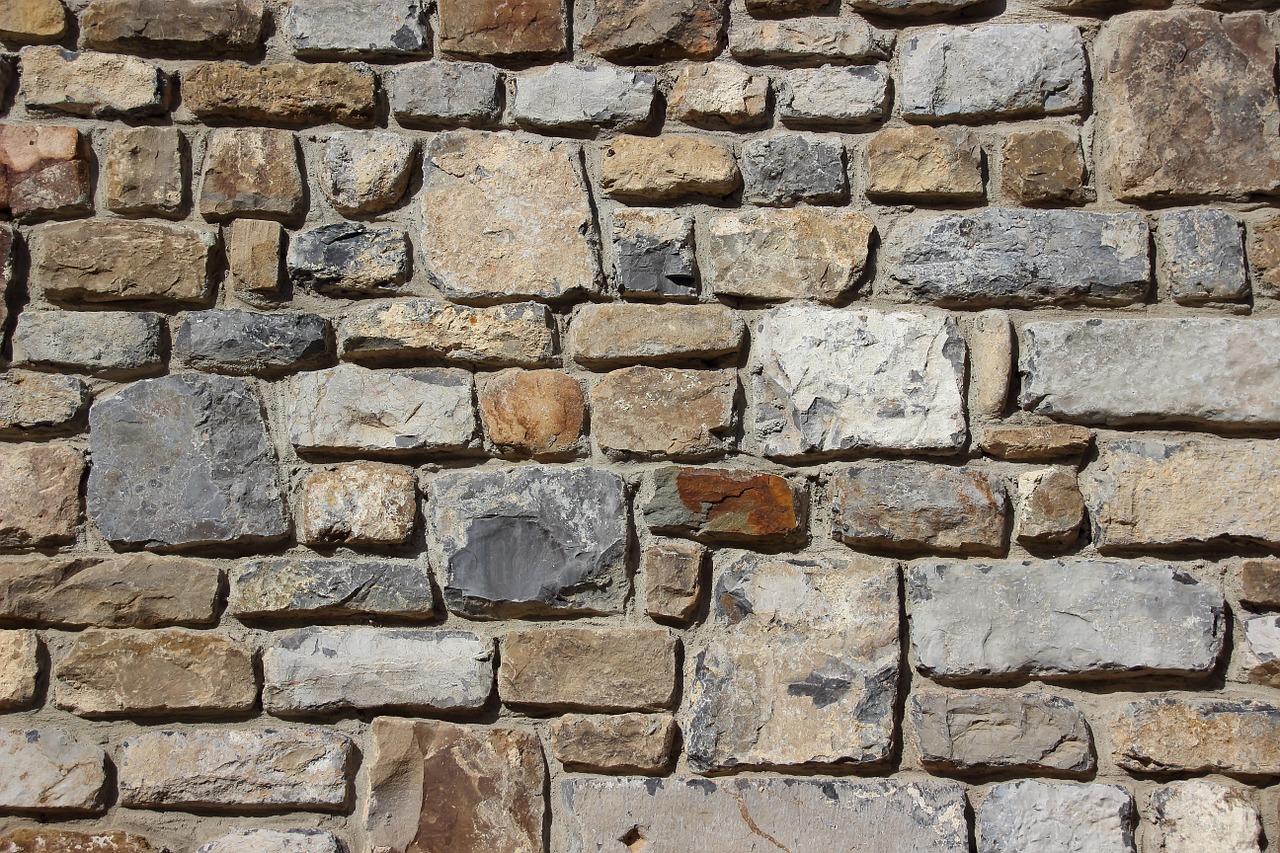
However, although this style is more decorative, it's still refreshingly simple and natural. Decorating accessories, trim pieces and building materials in general are almost always made from natural materials. For example, in keeping with modern decorating trends, a granite kitchen countertop would blend right in, while a countertop made from synthetic materials would not.

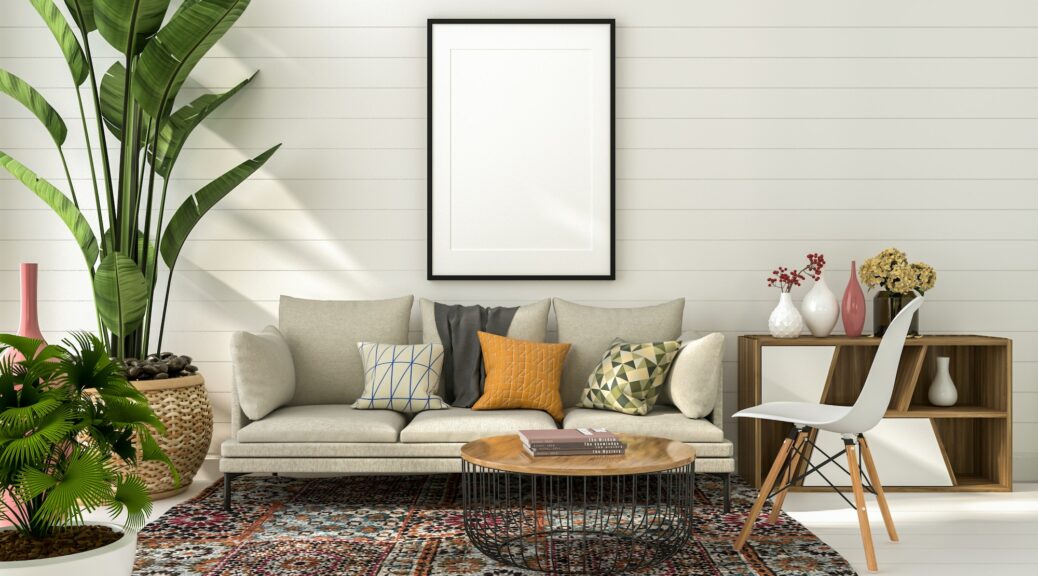
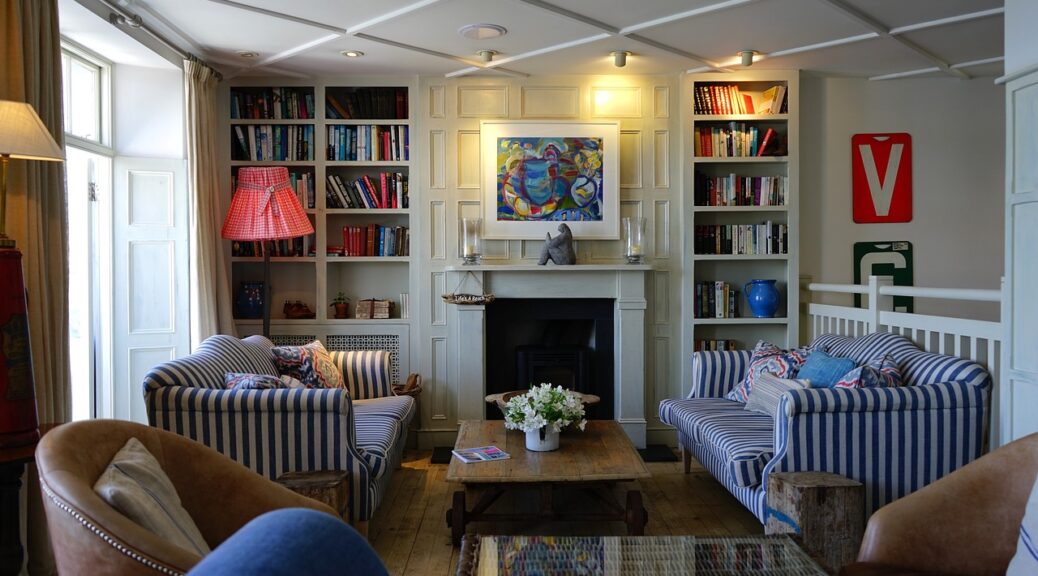
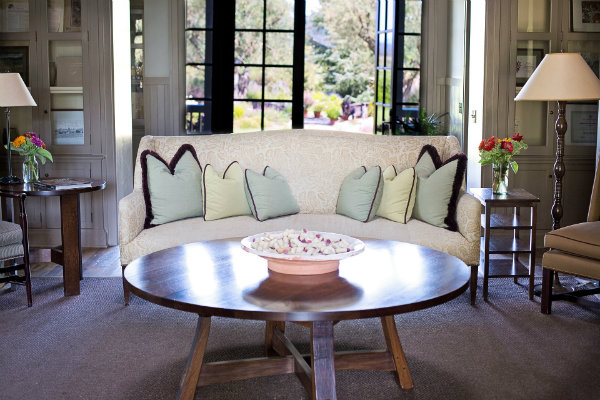
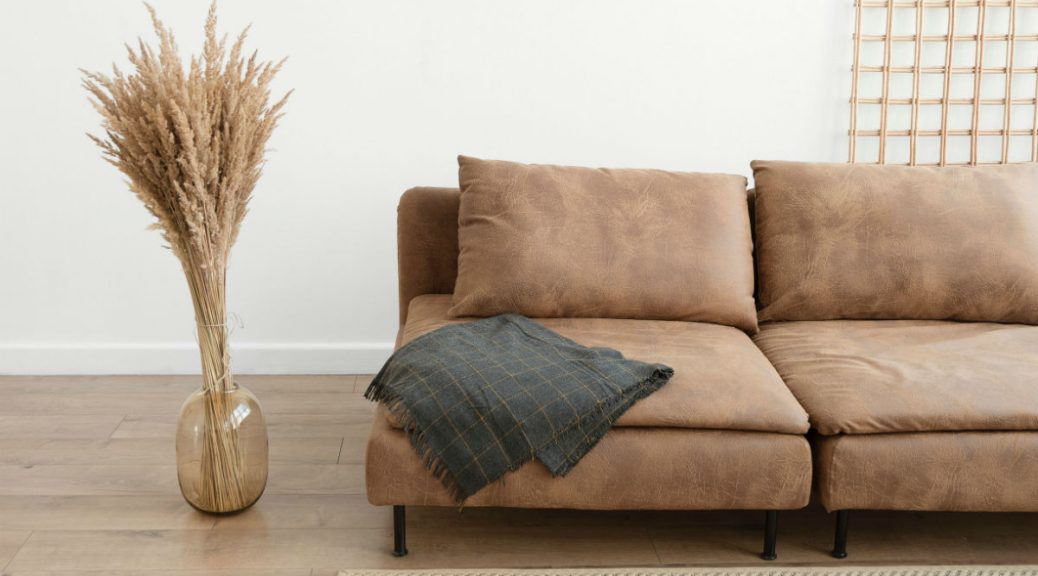
Mission-style furniture can work well with the arts and crafts decorating style, especially if it's handmade. Cozy furniture groupings are the norm, thus enhancing the overall warm and welcoming look of the style.

For example, a grouping of a mission-style sofa and chair combined with a beautiful and yet functional table could create a great conversation area.

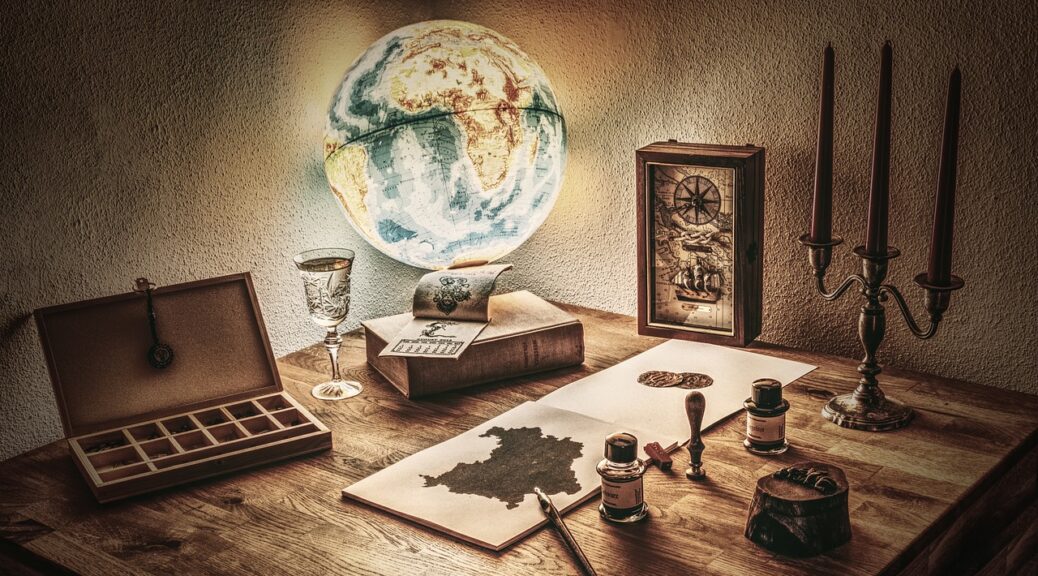
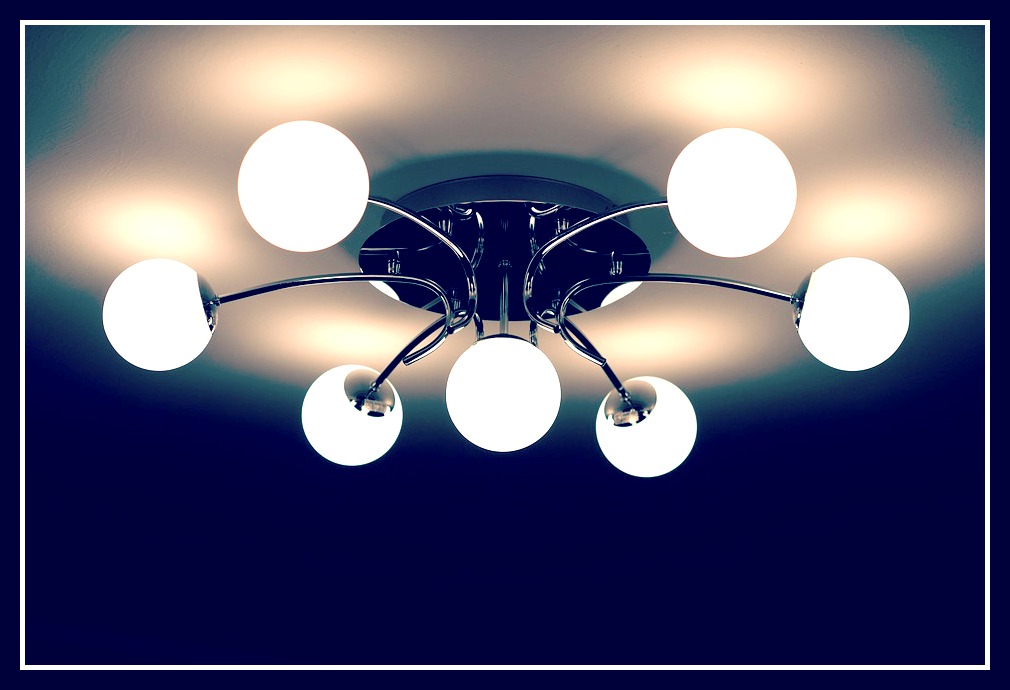
To add the finishing touch, add a handcrafted metal lamp or perhaps a piece of rustic hand-thrown pottery. The end result will be simple and yet artistic, attractive and yet functional, and completely in line with the original inspiration behind the arts and crafts movement.

Alyssa Davis is the top writer and creative design specialist for Metal-Wall-Art.com. She specializes in designing with turtle wall sculptures and metal Western wall art

set of three bristle hair brushes