|
|
Faux Finishing
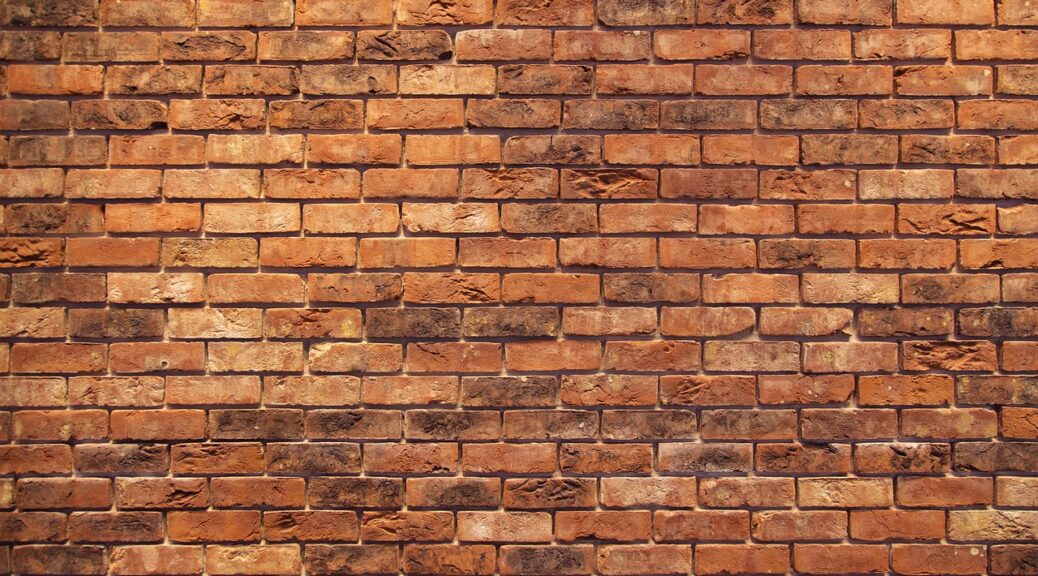
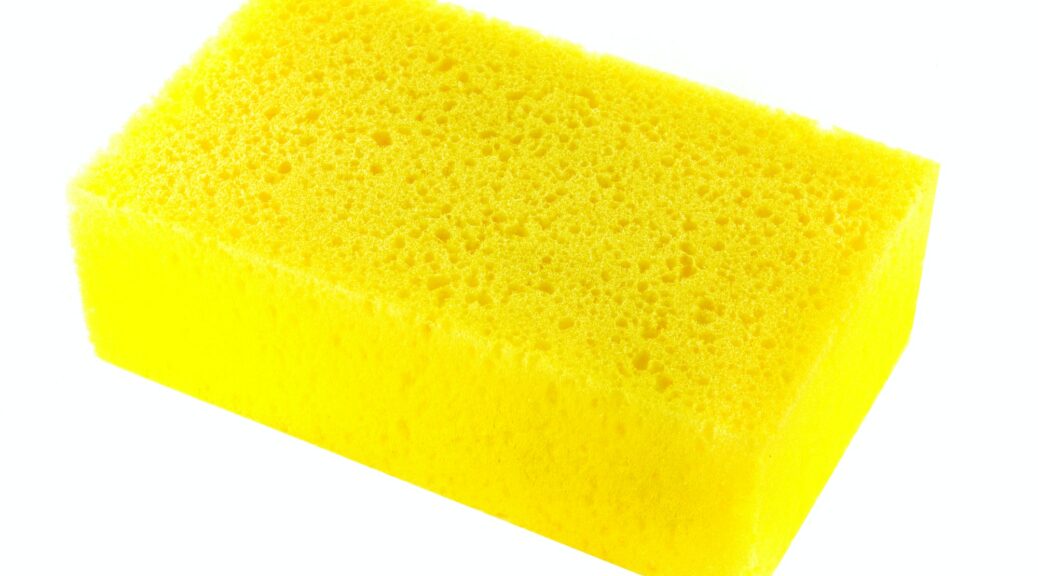
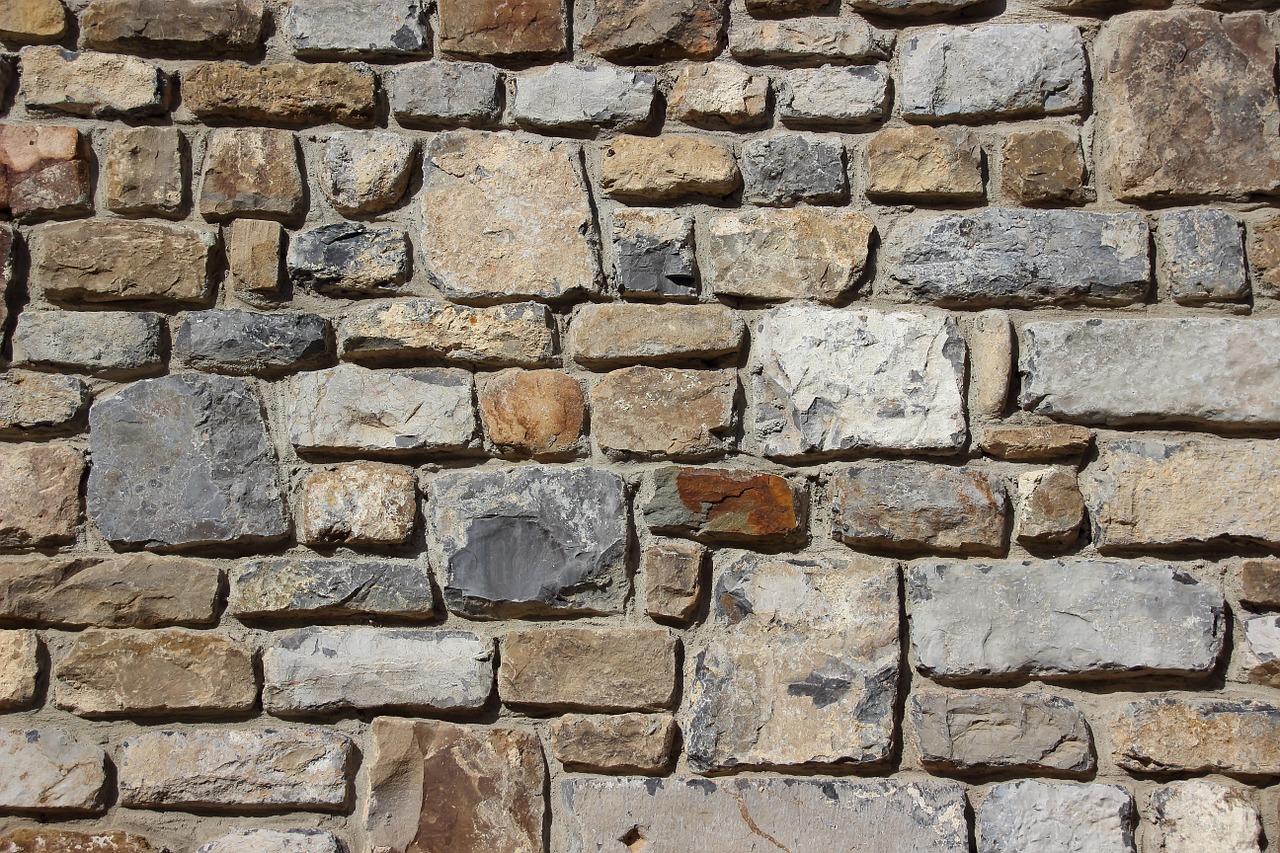
Faux finishing is a painting technique used to create the illusion of texture
on a wall. It's developed into something of an art form, using simple tools
like sponges and rags to produce effects that leave virtually no traces of
the tools. But it is something that a do-it-yourselfer can tackle. It's
appropriate on drywall, plaster or wood, and it requires no more preparation
than any other new paint job, just a clean, primed surface ready for finishing.
With most faux finishing, you're applying one or more accent colors over
a base coat of your main color. The base coat is usually a regular latex
wall paint with usually either a flat or an eggshell finish. The accent colors
can either be latex or alkyd-based paints with the finish (flat or eggshell)
matching the base coat. Latex paint dries more quickly which means you can
apply another color much sooner, and it also cleans up
much
more easily. But the longer drying times of the alkyd-based paints gives
you more time to fine-tune them on the wall, and that can be a factor in
getting the finish to look just right.
Applying Base Coat The first step in any faux finish is to apply the base
coat, and usually that's just cutting in and rolling out a single colored
paint as you would on a normal paint job. Be sure it's thoroughly dry before
moving on to the next steps.
Before applying a faux finish over your base coat, it's a good idea to test
your colors and techniques on a sample board. The most realistic surface
would be a piece of plasterboard, primed and then painted with your base
coat. But cardboard or newspaper will suffice. Whatever you use, practice
the technique till you're comfortable with it and then move on to the wall.
And if you're working with more than one accent color, working on a sample
board will let you determine the best order for applying them and achieving
the effect you want.
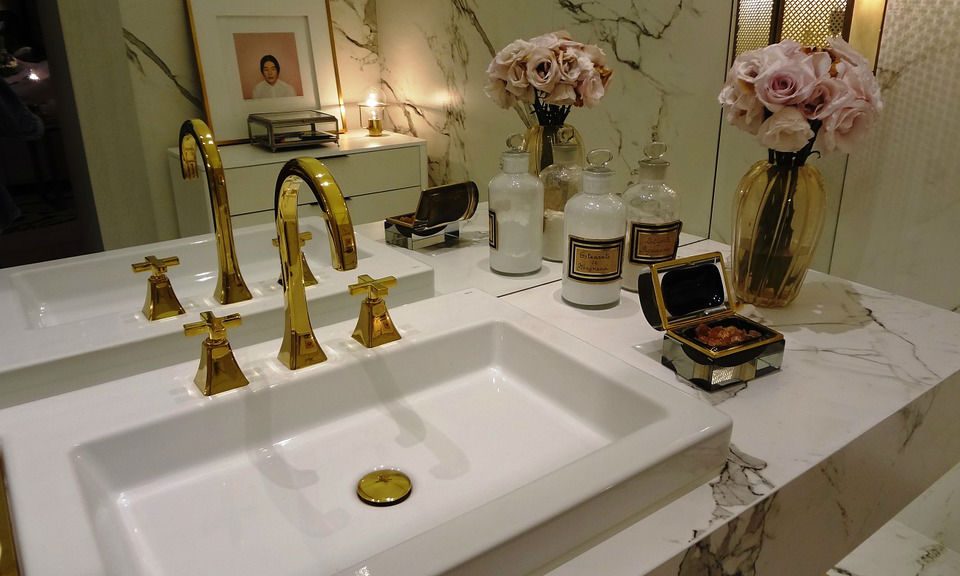
Although it may look difficult, one of the easiest faux finishes is imitation marble. If you are a beginner it is best to experiment at first on a large flat piece of board. View each creation from a distance (about 5 meters). This will give you confidence as even a poor effort can look good from a distance. Carrerra marble would be a good choice for a first try.
Simple graining is also very rewarding for the amateur. Using a
rocker
can produce excellent results. Amazing results can also be achieved using a coarse dusting brush. |