| Cautionary Notice!
Paint used on woodwork up until the 1960's and until later on
metalwork(red lead or red oxide) often contained lead which is now considered
harmful. Appropiate care must be taken when sanding and stripping off old
paint which may potentially contain lead compounds. |
Glossary of Decorating
terms and Painters jargon.
Registered and Trade Mark names are shown in
green.
N
Newel post. Vertical posts supporting the handrail on
stairs.
NHBC National House Building Council.UK.
Nitromors.Chemical paint stripper. Two types; one for
oil-based paints and one for water-based paints.
Non-slip paint A paint for floors. Floor paint can be
applied with a large roller.
O
Ogee. A double elongated letter 's design' associated
with the Gothic style of architecture.
Oil paint. A paint which is not water-based and can
be diluted with turpentine.
Opacity. Covering power of paint.
Op art. Using geometric shapes to create optical illusions.An
art movement originating from the sixties, which creates the illusion of
moving images. Sixties designers used op-art on everything from chairs to
whole interiors in black and white to give a disorientating, hallucinatory
feel.
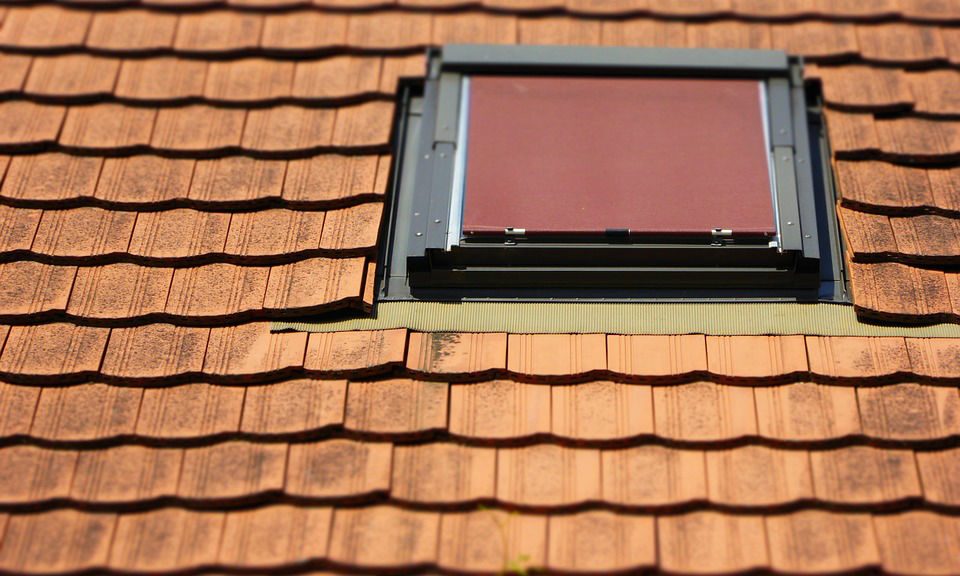
Oriel Windows. Narrow windows in a bay shape that open
using the cantilever principle (a downward force only at one end). They are
often found on the first floor to let light into a stairwell or hallway.
They usually have small leaded panes of coloured glass. The modern equivilent
are known as Velox.
Ormolu. A type of gilt decoration that was used extensively
in the Baroque and Rococo periods, especially during the reign of King Louis
of France. It was made by mixing powdered mercury with gold to make a paste.
The paste was applied onto bronze, then the object was fired to evaporate
the mercury, leaving the gold. It was an extremely expensive method but this
didn't stop Louis XIV using it everywhere at Versailles, from clocks to
chandeliers.
Overalls. Normally white for painters and either Boiler-suit
or Bib-and Brac
P
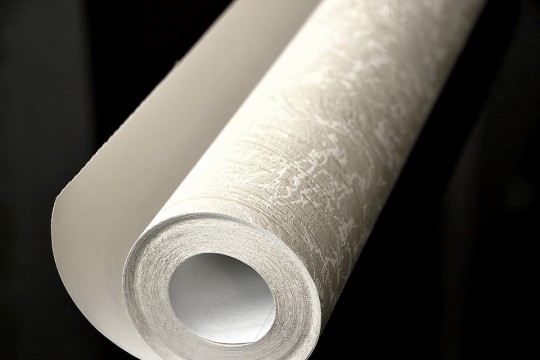
Palmer, Thomas. The inventor of anaglypta in 1886.
Paper tiger. A device used to scratch wallpaper prior
to soaking.
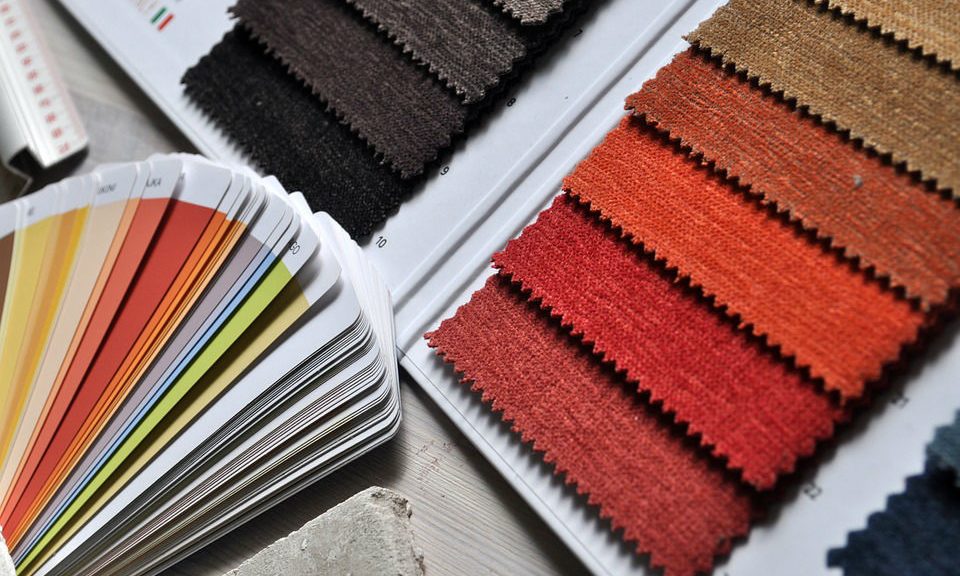
Pigment: Finely ground, natural or synthetic, inorganic
or organic, insoluble dispersed particles (powder) which, when dispersed
in a liquid vehicle to make paint, may provide, in addition to color, many
of the essential properties of the paint: opacity, hardness, durability,
and corrosion resistance. The term is used to include extenders, as well
as white or color pigments. The distinction between powders which are pigments
and those which are dyes is generally considered to be on the basis of
solubility. Pigments being insoluble and dispersed in the material, dyes
being soluble or in solution when used.
Plumbline. Length of string with weight attached, for
checking vertical lines
Polymer:This binder is produced from petrochemical
feedstocks. The binder's polymer particles are small in size and carried
in water. The binder polymers and water mix is known as emulsion.
Prairie. A style of architecture and design created by
Frank Lloyd Wright, originating in Illinois, USA.
Primer. The first coat of paint applied to a surface.
Pure wax. Another name for Beeswax.
Putty knife. A narrow metal bladed knife used for glazing
etc.
PVA (Polyvinyl Acetate): A colorless, thermoplastic,
water soluble, resinous high polymer derived from the polymerization of vinyl
acetate with a catalyst; used as a latex binder in certain, generally lower
quality water-base coatings.
|