| Cautionary Notice!
Paint used on woodwork up until the 1960's and until later on
metalwork(red lead or red oxide) often contained lead which is now considered
harmful. Appropiate care must be taken when sanding and stripping off old
paint which may potentially contain lead compounds. |
Glossary of Decorating
terms and Painters jargon.
Registered and Trade Mark names are shown in
green.
E
Ebonize. Coloured to imitate Black laquering..
Ebony. Usually a black(but can be striped or pale) colored wood used for a variety of things.
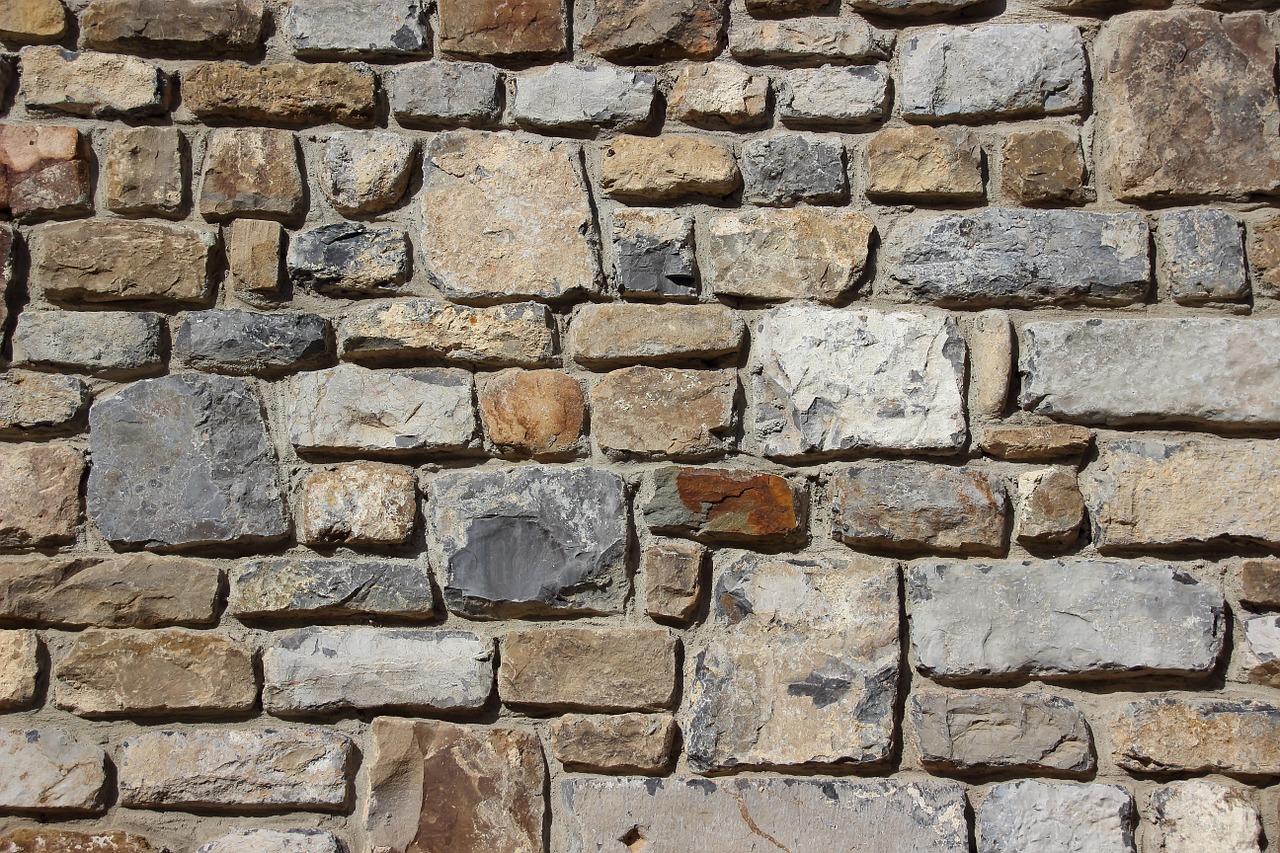
Efflorescence. Powdery residue coming out of stonework
onto the painted surface. An encrustation of soluble salts, commonly white,
deposited on the surface of coatings, stone, brick, plaster, or mortar; usually
caused by salts or free alkalies leached from mortar or adjacent concrete
as moisture moves through it.
Eggshell. A shiny satin
type of finish.
Emulsion. A water-based paint known as latex in the
USA.
Enamel: (1) Topcoat which is characterized by its ability
to form a smooth surface; originally associated with a high gloss, but may
also include lower degrees of gloss, i.e., flat enamels. (2) A class of substance
having similar composition to glass with the addition of stannic oxide, SnO2,
or other infusible substances to render the enamel opaque.
Encaustic. Mixing colours with hot wax.
Etch. To wear away or roughen a surface with an acid
or other chemical agent or with a fine abrasive prior to painting to increase
adhesion; to prepare the surface of metal or concrete using acids.
Extender: A less-expensive ingredient than titanium dioxide
that fills out and extends the pigment's capabilities. Extender cannot be
used without pigment. Some common extenders are clays, calcium carbonate,
and silica.
|