Bozzle.com

Home >> Interior decorating  >>>


Antiquating
Bagging
BrownBagging
Colors
Colorwashing
Craquelure
Decorating Materials
Decoupage
Dragging
Ebonizing
Encaustic
Estimates
Faux
Frottage
Furniture
Gail McCauley
Giclee
Gilding
Glazework
Gold Leaf
Grisaille
Graining
Graffiti
Heraldic
Laura Ashley
Leather
Liming wood
Malachite
Marbling
Materials
Metal Leaf
Murals
Ombré
Original Art
Painting
Paperhanging
Period Styles
Rag Rolling
Shabby Chic
Spattering
Sponging
Stained Glass
Stamping
Stencils
Stippling
Stone
Tools
Trompe l'oeil
Verdigris

Interior Decorating

When decorating the interior of your home you could consider using a professional. There are many, such as this interior design Burlington company which will ensure you get the look you want for your home.
IN the rudest attempts to provide homes we find evidence of a desire to decorate them.
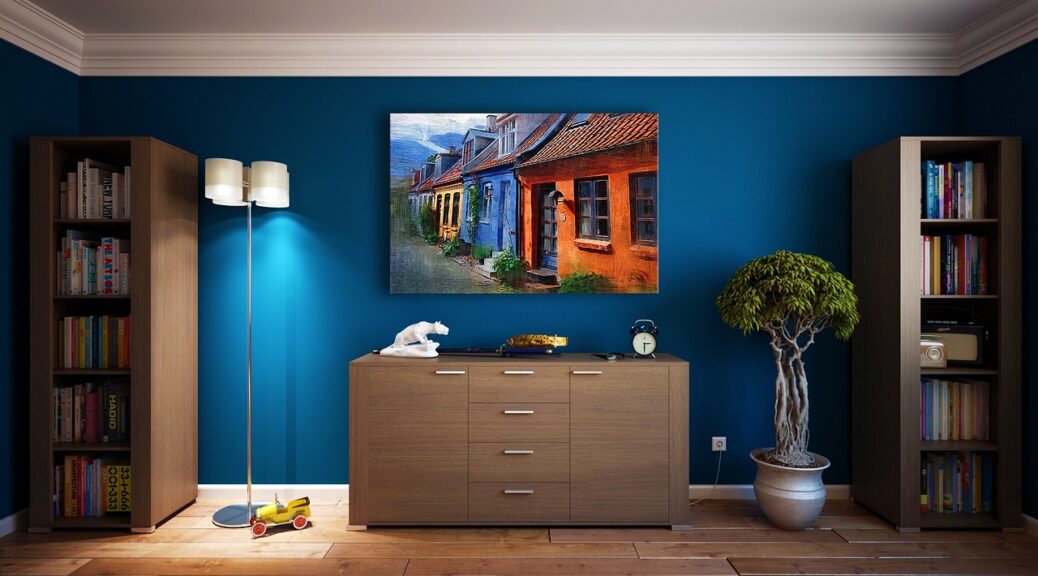
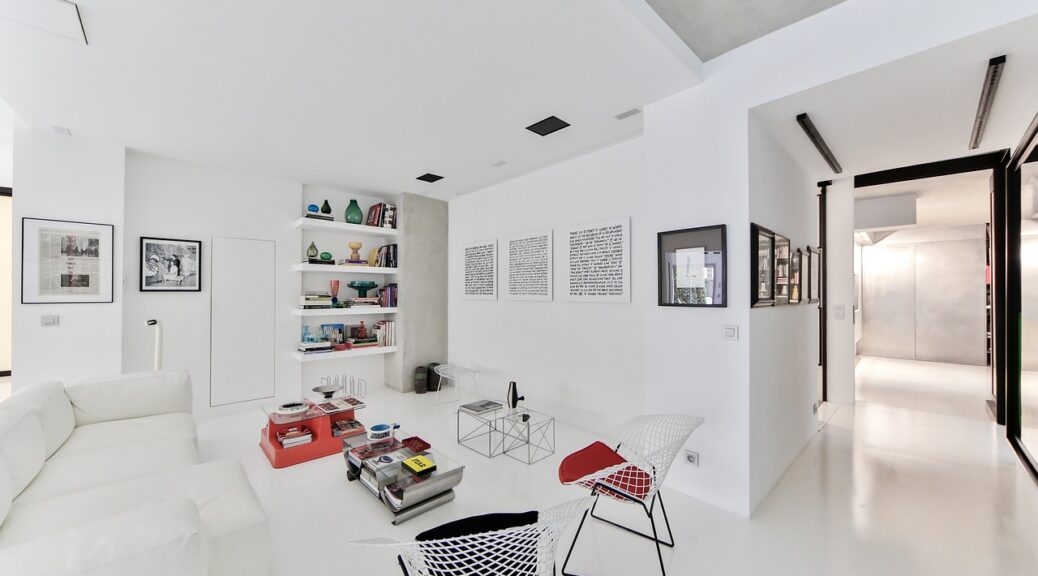
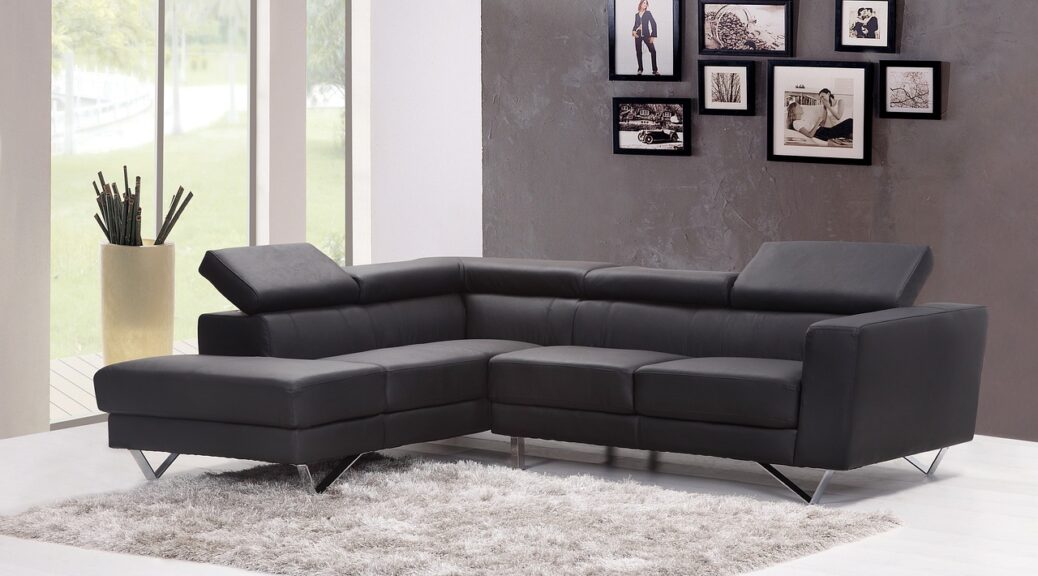
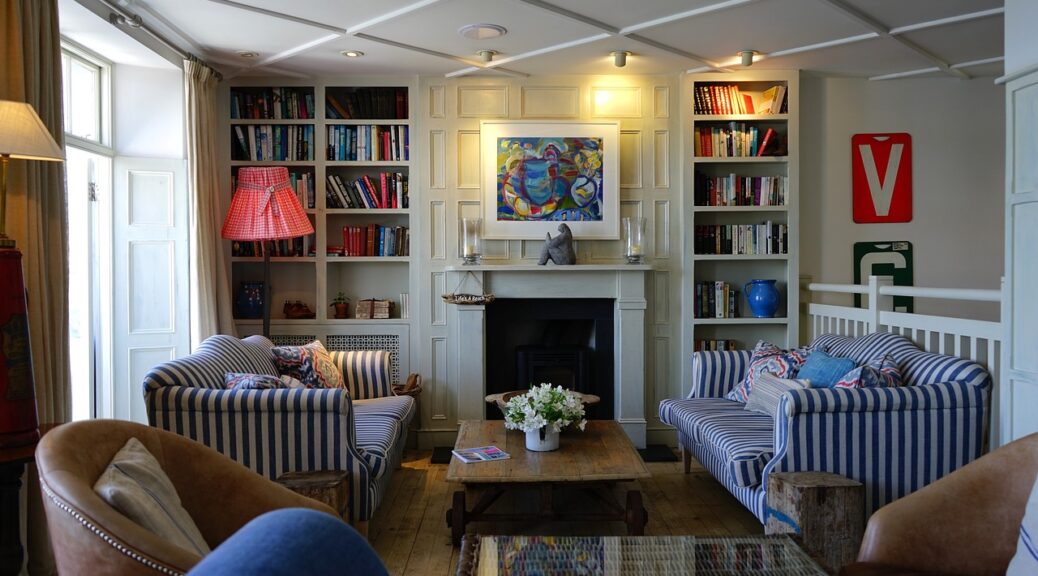
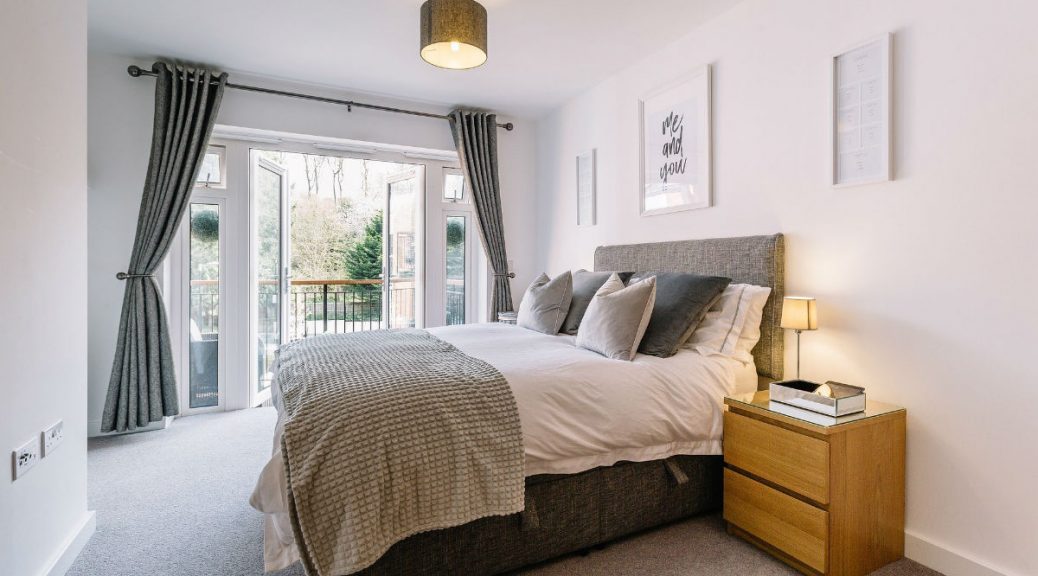
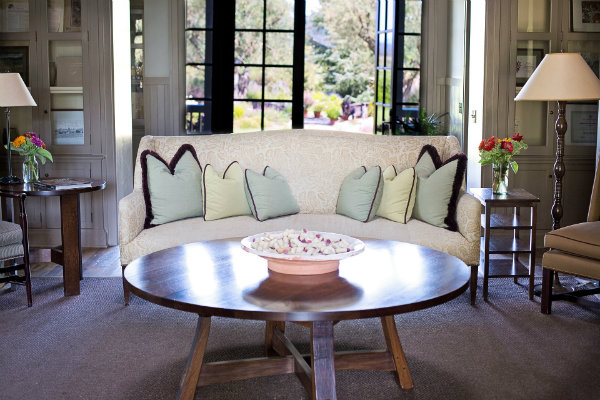
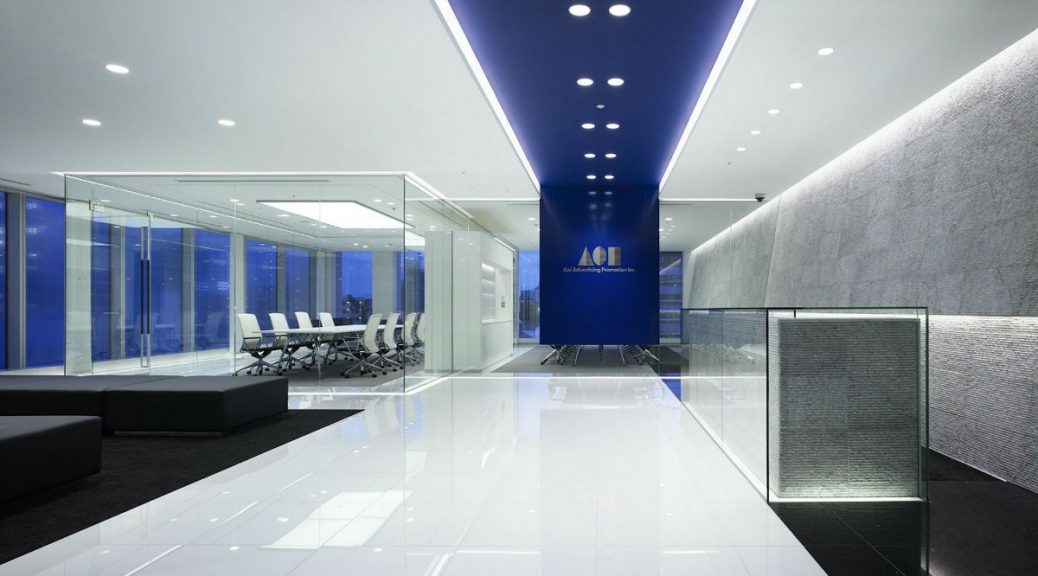
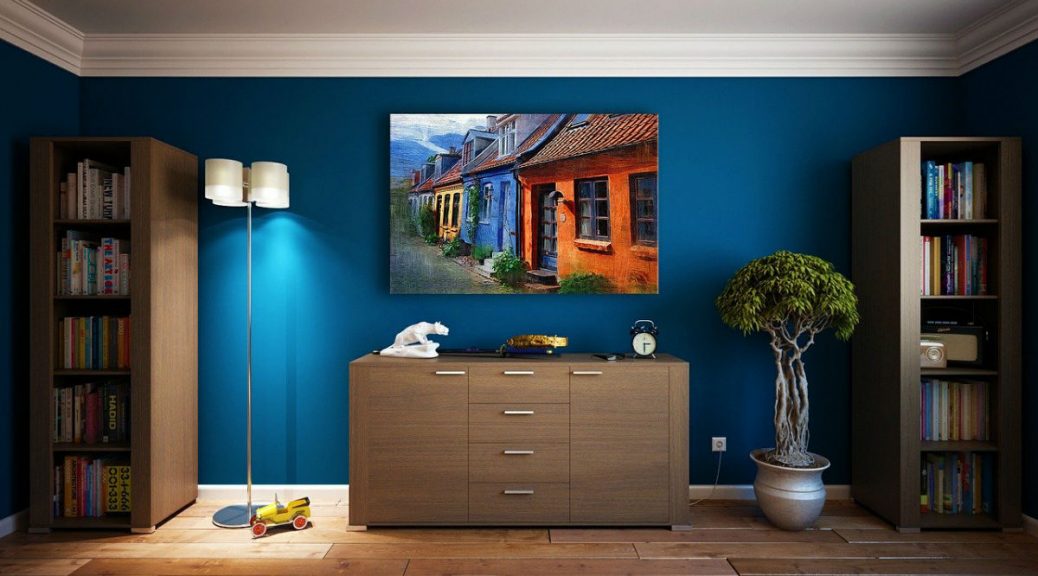
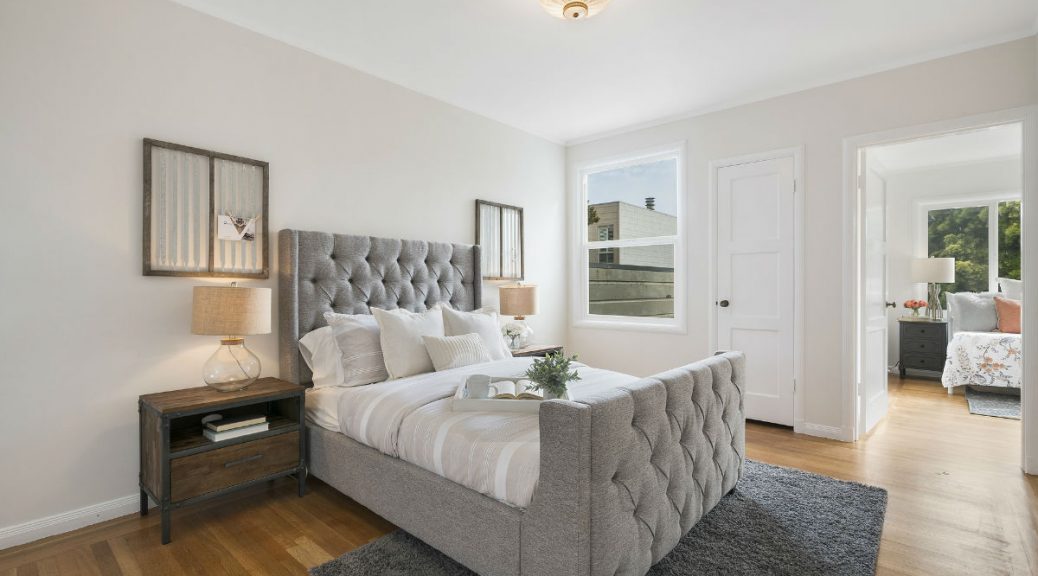
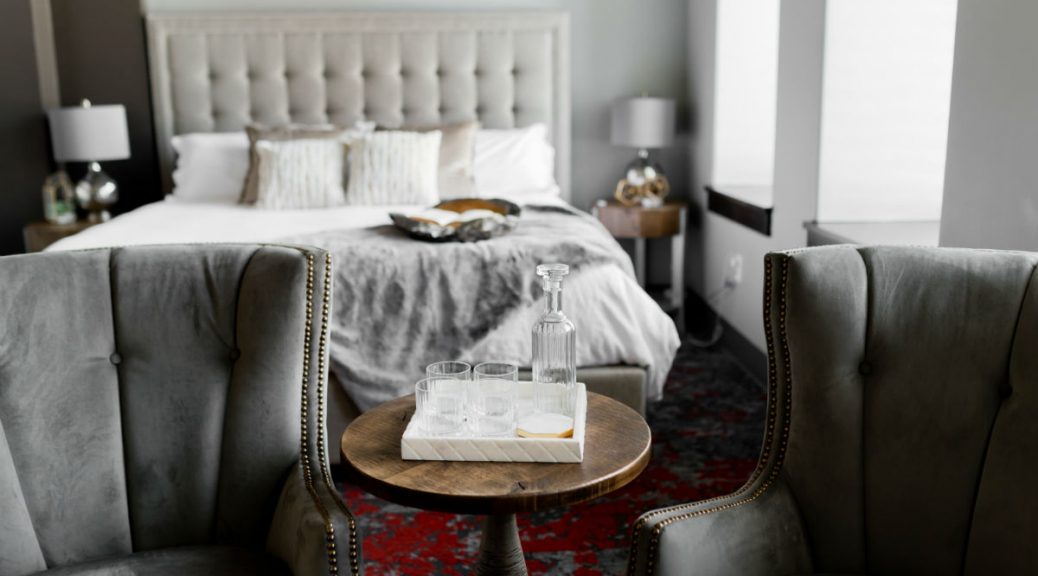
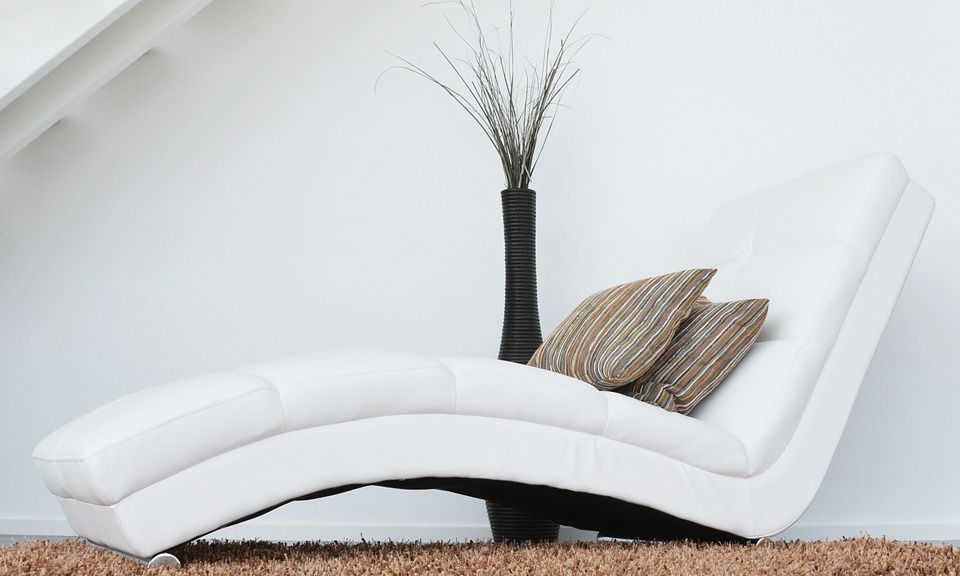
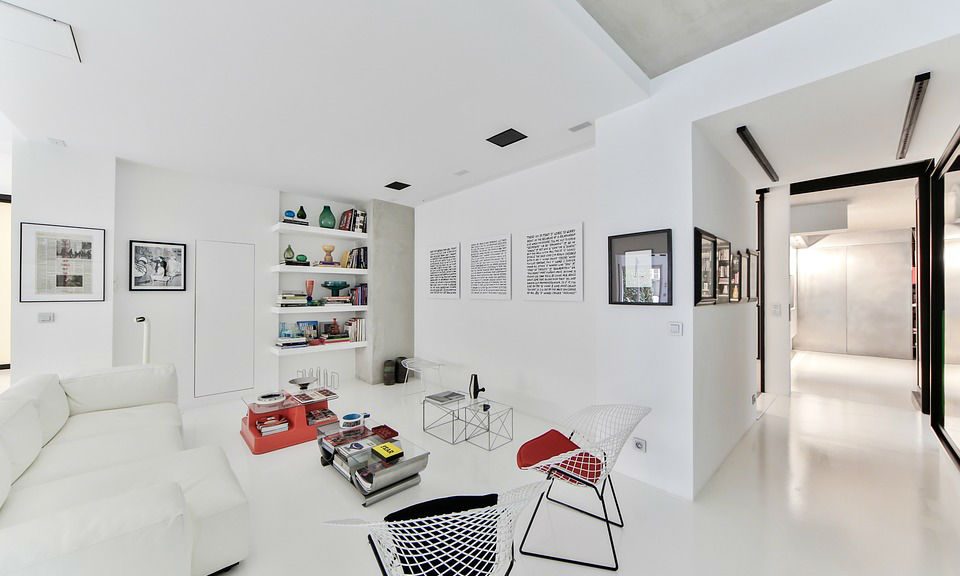
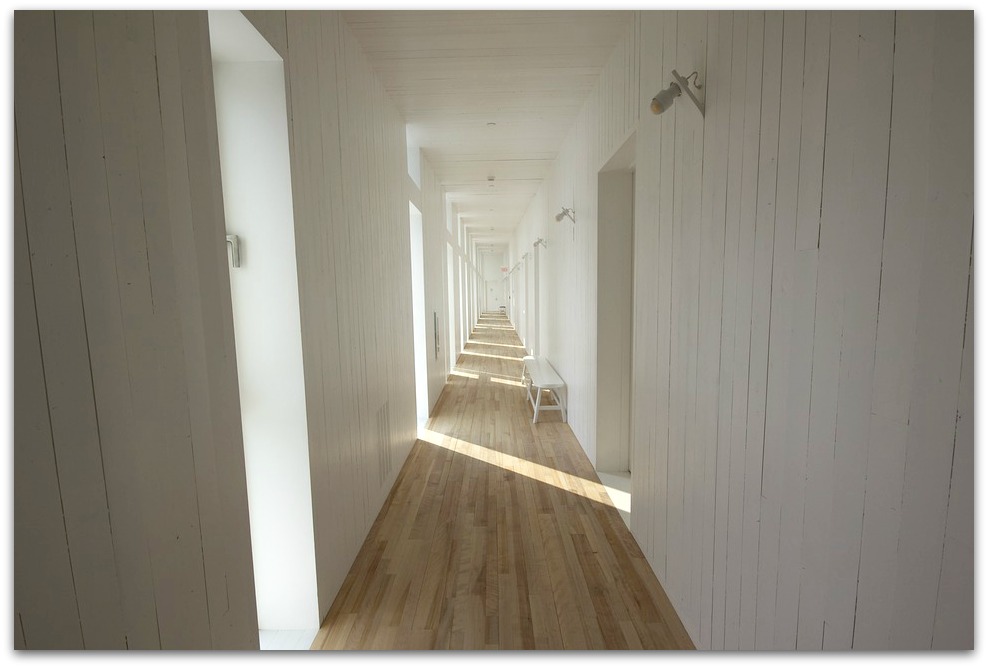
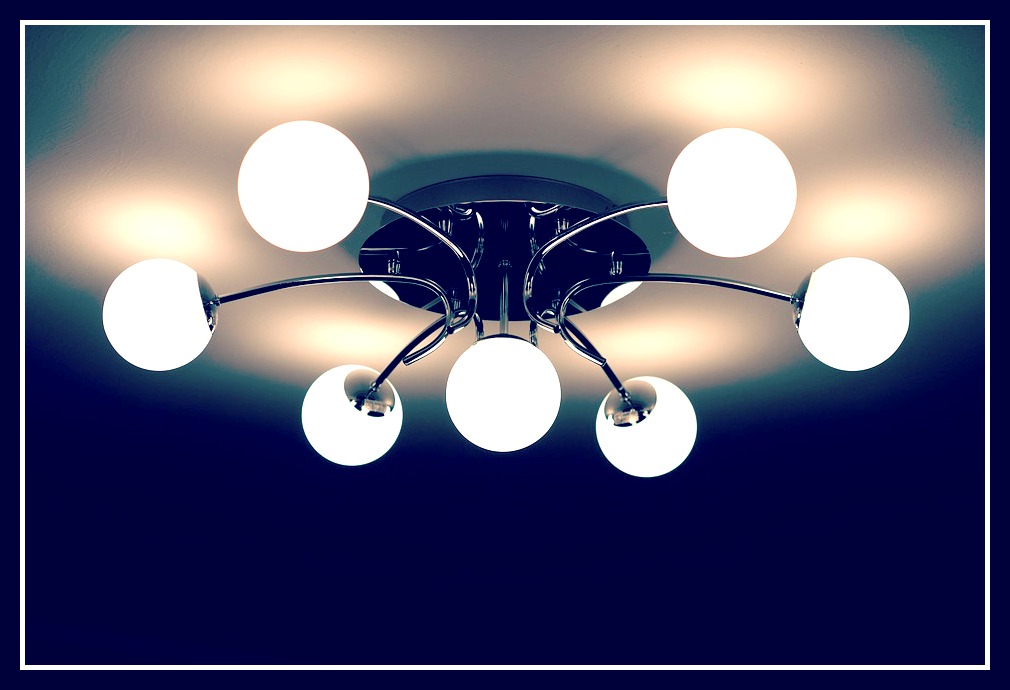
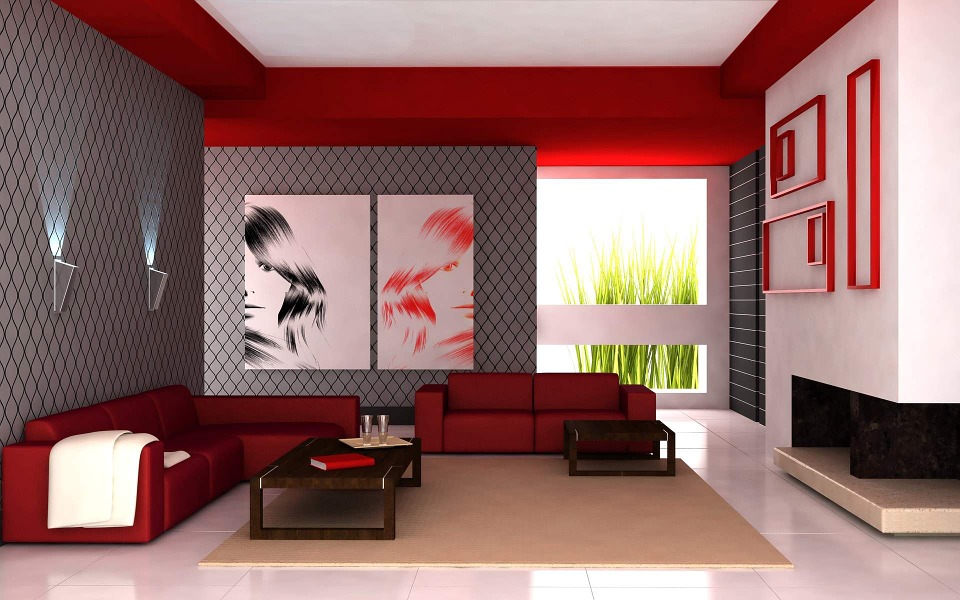
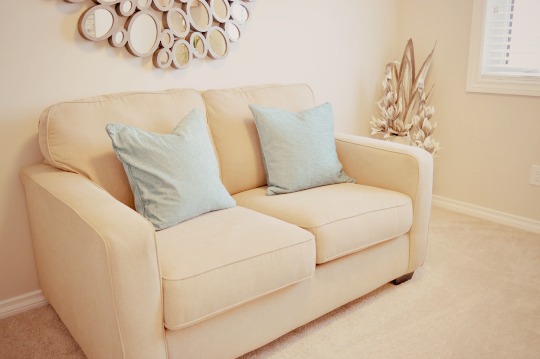
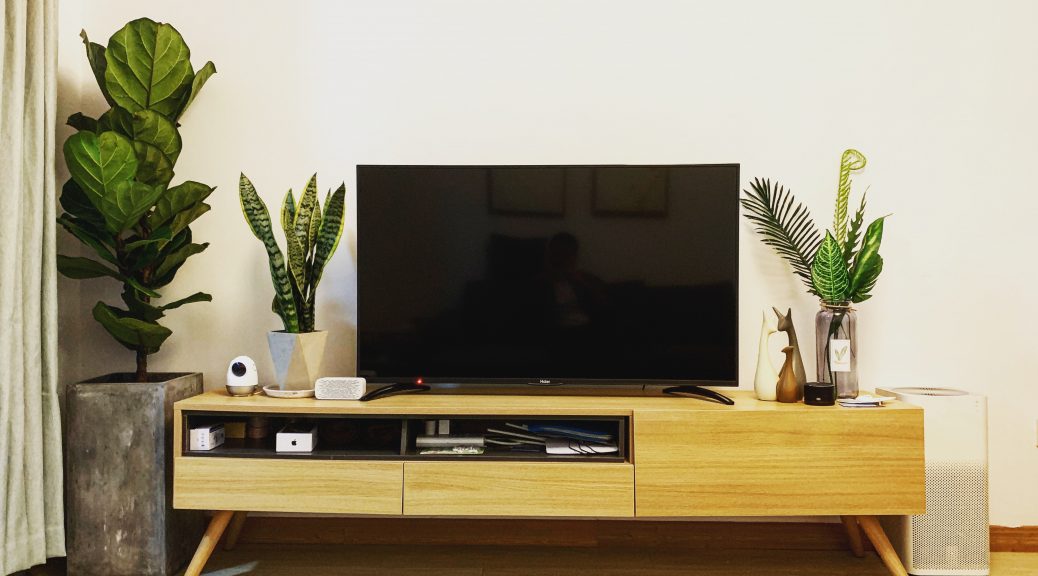
In early examples ornament usually springs out of constructive methods; others are merely surface additions, but either hall to lounge view. Royalty free image if www.bozzle.com link is left in alt text. Thank you.. symbolical or purely decorative (as in the curved forms and interlacings).
However, practically in every style of ornament that we can study we find in the early types some reminiscences of constructural details.
Thus the Egyptian column (like that of Chaldea) is a tree trunk, or a bundle of reeds, ornamented with flowers; their dado, though carved in stone or painted on stucco, is the representation of a reed mat, of wattle looped together with flowering water plants.
In Greek marble buildings we discover the ends of the long-discarded timber joists peeping out below the beautifully proportioned, carefully carved entablature; consoles and brackets belong to the log era.
Heavy Brahminical stone buildings, even the cave temples, retain features that are peculiar to timber practice.
In the same way most of the early surface ornamentation is symbolical, though springing from familiar objects turned to decorative ends.
Egyptian architecture and ornament may be classed as entirely symbolical, for there was a meaning in the pylons and obelisks, the hybrid animal forms, the lotus, papyrus, palm, and other botanical motifs.
Greek ornament, though in its primitive types symbolical, was not so in the main; nor was it in the Roman, though embracing many symbols.
Early Christian art was essentially symbolical. Churches were cruciform or circular. Ornament, when not cruciform, was a little more recondite - circular, triangular, trilobed or represented fish, ships, lambs, peacocks, doves and pelicans, eagles, winged bulls and lions, and many other things.
Even colour has its devotional and ritual significance.

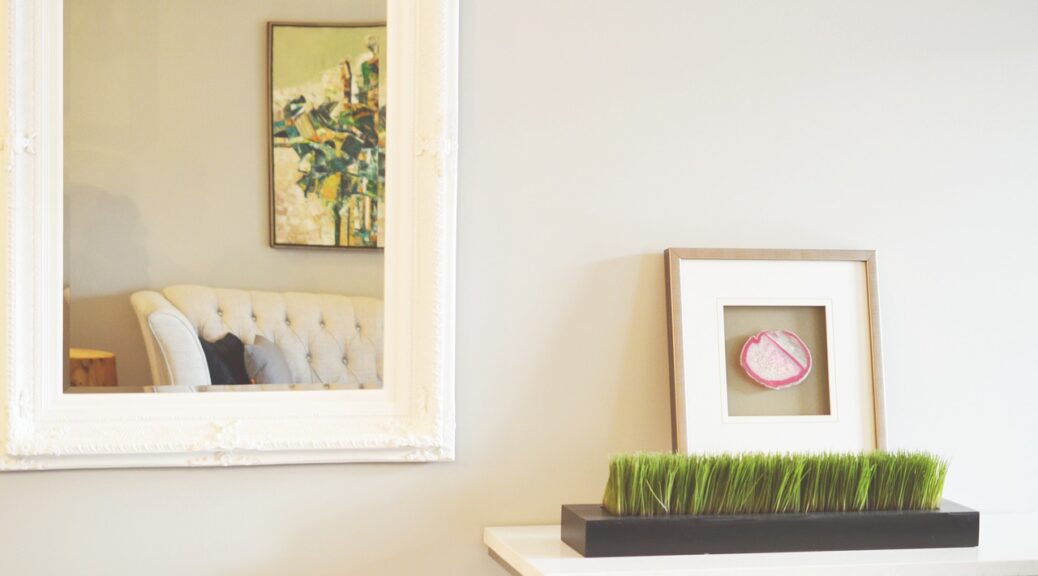
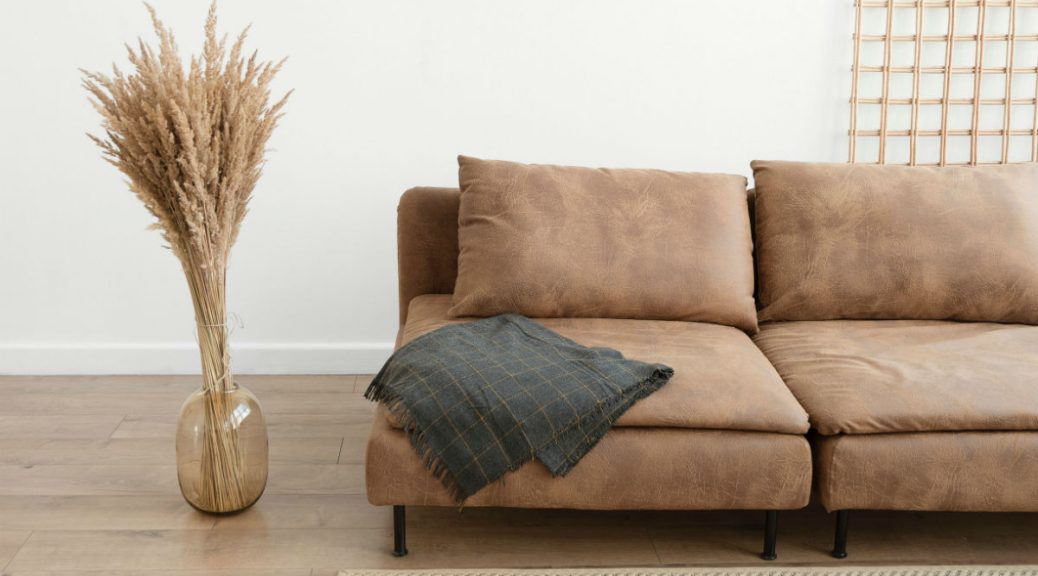
Although this side of the problem is not fundamentally important to good design, it is imperative that ornament should be appropriate to that which ascension-classical paintingit is to embellish and all its surroundings.
So that selection, both as to quality and quantity, the latter involving questions of balance and general design, is necessary.
We shall easily understand this if we consider the objects we have in view.
We will let one who was not unsuccessful in his profession speak.
Sir William Chambers says: “Ornaments are to be chosen or rejected according to the associations which exist between their adoption and the effects which they are calculated to produce on the mind.
When we aim at an effect of grandeur and stability, but few ornaments are admissible, because many subdivisions of the detail, which is the case where decoration is unsparingly used, destroy the ideas of strength, as, in fact, they weaken, or appear to weaken, the parts whereon they are employed.
Hence, according to its destination, ornament and variety therein must be more or less introduced into the work, always bearing in mind that excess and overloading, when ornament is profuse, distract and fatigue the eye and tend to destroy the effect of the best-arranged design.”
Thus we see that, quite apart from the question of symbolism, tradition cannot be ignored.
As Sir Frank Warner well said: “The question of styles is an all- important one, and will probably remain so as long as the world lasts.
Archaeology is, therefore, of vital necessity to all who are engaged in the trades of building, decoration, and furniture,” and, he might have added, to all those who wish to appreciate past efforts and enjoy intelligently the works of the present.

Google
 
Web www.bozzle.com
Of course this is not to condemn those who strive after new things, who endeavour to express their individuality and the spirit of the age in novel combinations, or, breaking away from beaten tracks, try their best to evolve something that will stand alone, as a creation, a revolution.
But that is a different matter.
In practice we are apt to find that the very latest manifestation of art is very old.
In fact, to break away from tradition is an almost impossible feat. It is better to familiarize ourselves with what has gone before and then let our personality, acted upon by our surroundings, express itself as freely as it is able.
In the end we have to revert to a study of the” Styles.”
Pitfalls are encountered, however, when it comes to applying the results of such studies.
Without being a purist or formalist in the matter of styles, it is easy to recognise the dangers of an indiscriminate desire to adapt the best, wherever found, to the art of decoration.
Anachronisms as to dates and associations may be small enough matters, merely disturbing the over-critical learner, and then to no great extent if the effect be beautiful or even pleasing, but there is just the difficulty.
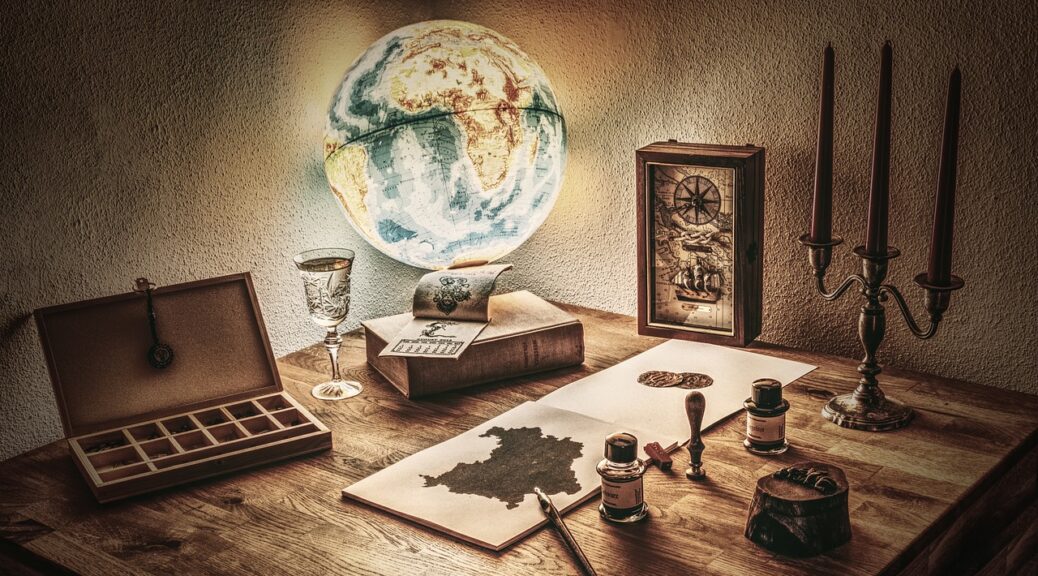
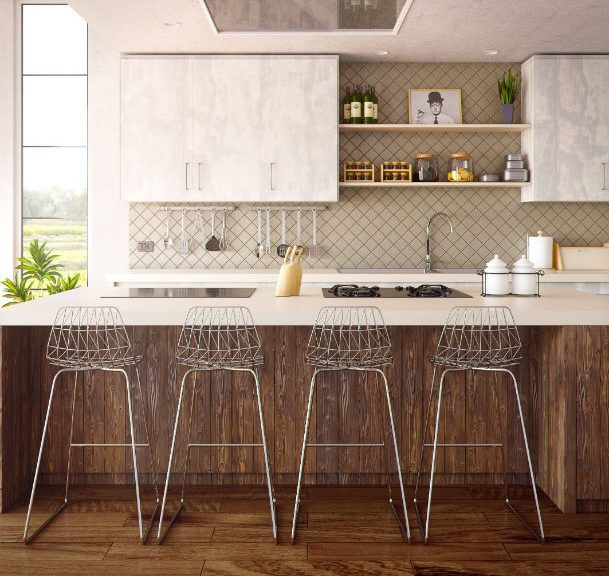
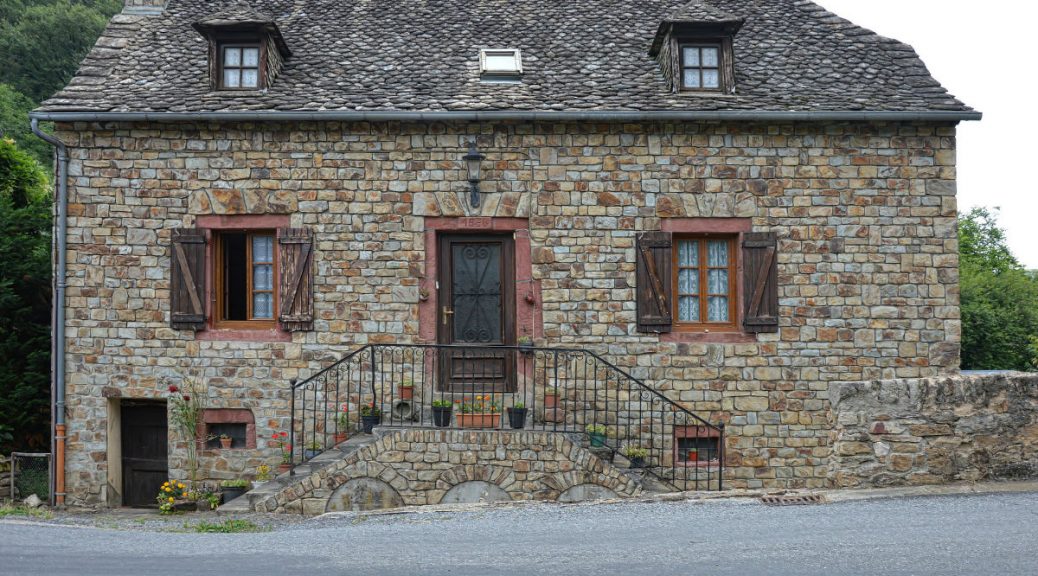
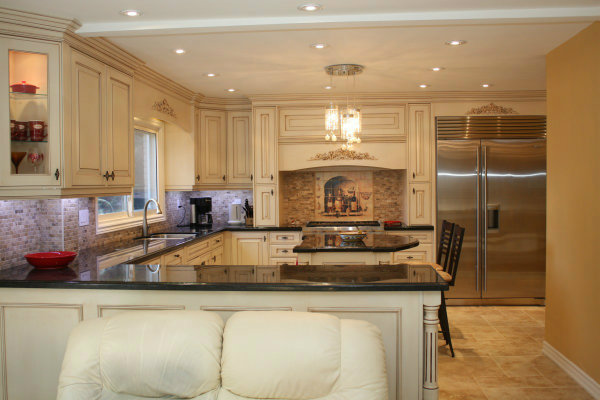
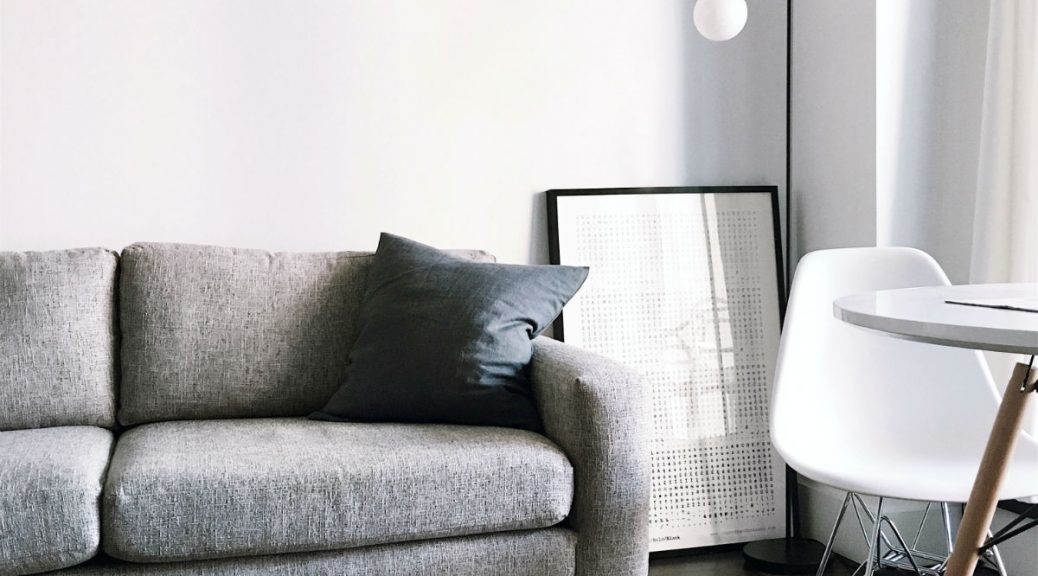
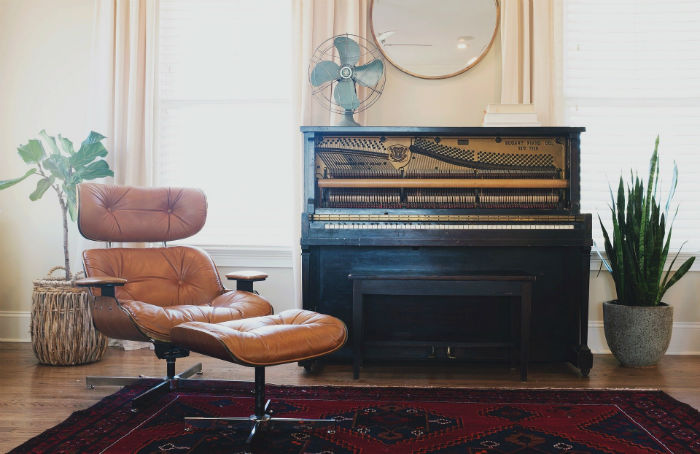
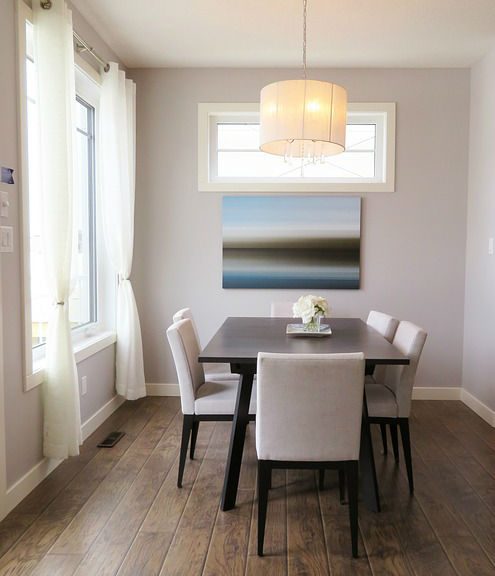
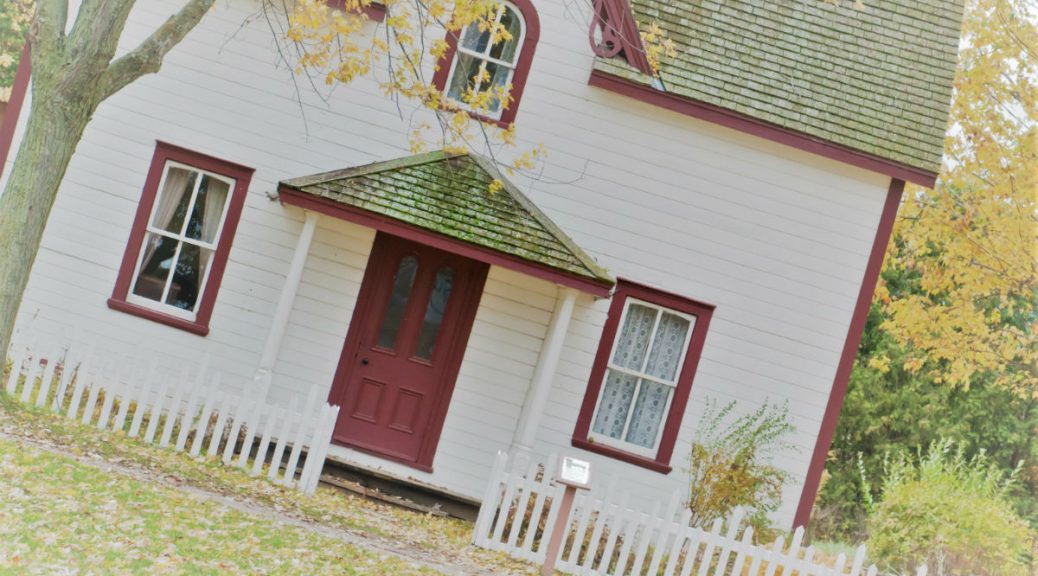
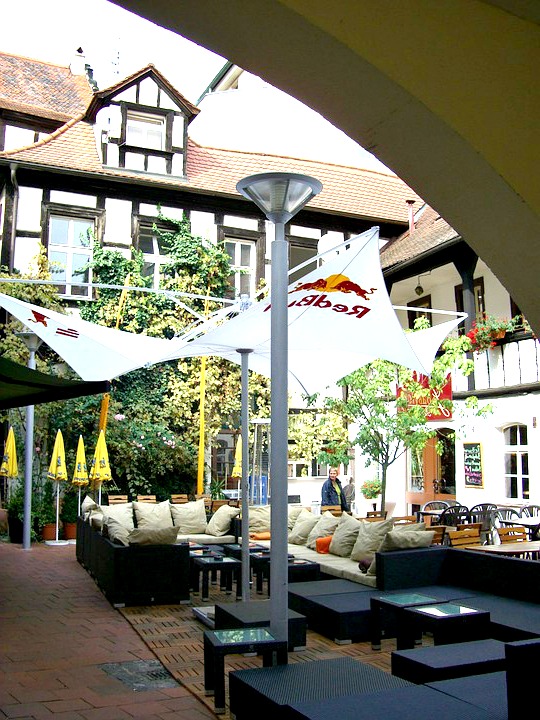
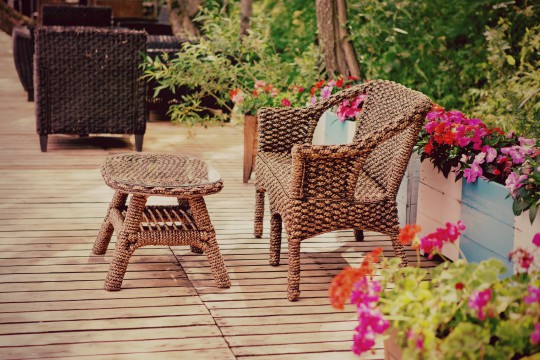
Ill-digested mixturesHome sweet home. Royalty free image if www.bozzle.com link is left in alt text. Thank you.. so seldom are either beautiful or satisfying, owing to their complete oddity.

Interior decorating usually encompasses all aspects of design.
It also is extremely flexible and often personal.
It can be thematic or historical depending on the room or building.
 Starting from scratch in a new building is the ideal way as changing paint colors, wallcoverings, fabrics, fixtures and furniture is sometimes more expensive than being able to choose everything before you begin.
Adapting to what already exists is a challenge which most interior decorators relish.
The plethora of house/home make-over programs on television shows how exciting and engrossing it can be.
In the menu on the left, faux includes Grisaille, Stained glass, Gilding, Graining, Marbling, Verdigris, Leather, Stone and Metal effects.

Bookmark and Share