Painting and Decorating on the Net

Home > Home painting and decorating


Painting and Decorating in the Home.

Papering a ceiling
Graining
Graffiti
Heraldic
Laura Ashley
Leather
Liming wood
Frottage
Painting Furniture
Gail McCauley
Jessica Ackerman
Giclee
Gilding
Glazework
Gold Leaf
Grisaille
Bozzle.com image:free snagging checklist
Professional Decorating
Antiquating
Bagging
BrownBagging
Colors
Colorwashing
Craquelure
Decorating Materials
Decoupage
Dragging
Ebonizing
Encaustic
Estimates
Faux
Interior Decorating
Painting: the basics
Paperhanging: the basics
Decorating Materials
Troubleshooting
Painting Terms
Heraldic
Styles
Directory
Sitemap
Bozzle.com image:CITB test and CSCS card
Malachite
Marbling
Materials
Metal Leaf
Murals
Ombré
Original Art
Painting
Paperhanging
Period Styles
Rag Rolling
Shabby Chic
Spattering
Sponging
Stained Glass
Stamping
Stencils
Stippling
Stone
Tools
Trompe l'oeil
Verdigris
Color Awareness White
Color Awareness Black
Color Awareness Blue
Color Awareness Red
Color Awareness Green
Color Awareness Orange
Color Awareness Brown
Color Awareness Purple
Color Awareness Yellow
Adams
American Prairie
Bauhaus
Byzantine
Classic Orders
Egyptian
English Tudor
French Empire
French Louis
Modernism
Georgian
Gothic
Greek
Jacobean
Japanese
Laura Ashley
Norman
Pompeian
Regency
Renaissance
Roman
Shabby Chic
Shaker
Victorian
William and Mary
Bits
Black Japan greening
Blistering
Blooming of Varnish
Blooming of Enamel
Brush Marks
Stains on ceilings
Chalking
Cissing
Cracking paintwork
Cracks in Plaster
Discoloration
Efflorescence
Exudations
Flaking Distemper
Flaking Paint
Flashing
Flies on new paintwork
Defects in Gilding
Loss of Gloss
Raising of Grain
Graining Defects
Hair Cracks
Removing ink/iron stains
Livering
Marble stains
Mould and Fungus
Non-drying
Paint on fabric
Removing oil stains
Paperhanging faults
Internal causes of Discoloration
Discoloration due to Groundwork
Blistering of Lincrusta
Non-drying of paint
Paint on Fabrics
Putty loosening
Rainmarks on new paint
Ropiness
Saddening; varnish
Settling; varnish
Shrivelling; varnish
Skinning
Tarnishing
Varnish defects
White marks on polished wood
Wormed wood
Yellowing
Crumbling Plaster
Rouge Royal Marble
Vert de Vert Marble
Egyptian green Marble
Oriental Vert Antique Marble

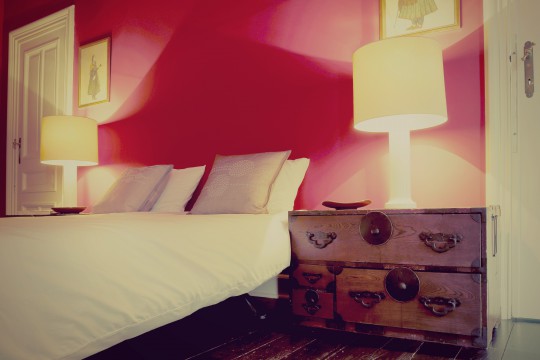
Bozzle.com image:bedroom: bozzle.com 2000-2006 Original Paintings (Susenne Telage)
Painting Furniture
BrownBag Walls (Bonnye Manning)
Brown Bag Walls and More (Karen Manasco)
Coastal Retreats (Gail McCauley)
Color and color values
Decorating Magazines
Dorm Room Decisions (Gail McCauley)
Estimates/prices
Home Haven (Gail McCauley)
Adding color to your Kitchen (Gail McCauley)
Laura Ashley
Materials
Mountain Retreat(Gail McCauley)
Holidays(Gail McCauley)
Decorating Magazines
quote Decorating TV shows
Painting
Paperhanging
Romantic April Colors(Gail McCauley)
Sell your house in a jiffy.(Gail McCauley)
Spring(Gail McCauley)
Thanksgiving(Gail McCauley)
Interior decorating
Period Styles.

Watercolours (Rob Thorpe)

Home Painting and Decorating

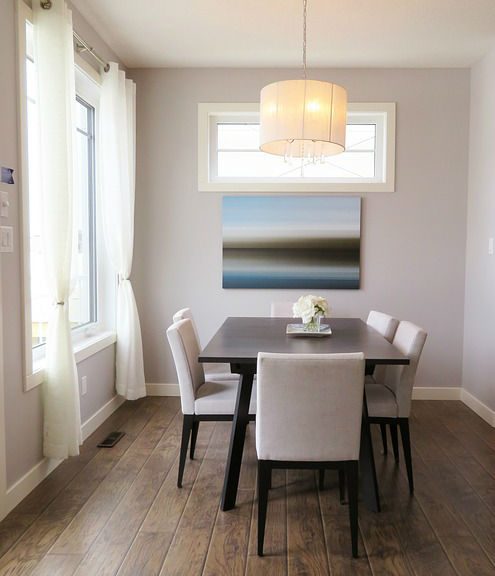
Bozzle.com image:dining room bozzle.com 2000-2006 Most people like to try their hand at some kind of decorating in the home. Peoples tastes cover a very wide spectrum and what one person loves another may loathe. Decorating at home gives you the freedom to please yourself and not worry about impressing visitors, although very idiosyncratic and personal decorating done well, usually impresses.
If you decide not to do the decorating yourself remember that the spectrum of quality in the professional decorating trade ranges from the highly skilled tradesperson(Master Painter) to the unqualified, semi-skilled(cowboy). An ordinary householder may find it impossible at the outset to tell which is which. Cowboys often come in vans with impressive looking logos proclaiming membership to a professional guild or federation, where the only criteria for membership is that the annual fee be paid.
For the ordinary householder the most reliable way is a recommendation from someone you know who has had work done. Also, firms get known for their quality over the years.

Overview

  • Estimate the cost of your project as near as possible.
  • Don't just buy things on a whim as you go along.
  • Decide whether you are going to do it yourself or employ someone to do it.
  • If you get a professional to do the work remember that a major part of the final bill will be the actual labour costs.
  • If you do it yourself you will save on labour costs but it may take longer to complete the job.
  • Doing it yourself, you may also have to buy(or hire) tools and equipment on top of the cost of the materials.

Health and Safety

Paint is easy to apply. Its hundreds of colors and shades will help you express your own taste and creativity. At just pennies per square foot, it's the least expensive decorating tool of all.
And it not only beautifies your home and possessions it protects them.
If you're planning a painting project, while you're helping protect your belongings, the paint industry wants to help you protect yourself as well. Like many household products, paint contains chemicals, and some of them can be hazardous if not used correctly. Bozzle.com image:bed room bozzle.com 2000-2006
Paints are mixtures of pigments (for color), resins (for binding power), and other additives to make them easier to apply, faster-drying, etc. These ingredients are dissolved in either water or organic solvents.
Water-based ( latex ) paints came on the market soon after World War II. Today, around 80 percent of household paints, exterior as well as interior, are water-based. The increasing popularity of water-based formulations has gone a long way toward reducing the potential hazards from improper use of solvent-based paints: flammability or combustibility, and possible health effects from inhaling solvent vapors or spray mist.
Chances are that the paint you buy will be water-based. But some kinds of products cannot be successfully formulated using water, and still contain organic solvents. You need to know the potential hazards associated with those products, and how to avoid them. The label will tell you.

Reading a Paint Can Label

The first item on a precautionary label is a signal word, such as WARNING or CAUTION. Directly underneath will be a statement of the principal hazard, followed by any other hazards associated with the product's ingredients. Below the hazard information, you will see the precautions you need to take (such as Open all doors and windows during use. The precautions are followed by first-aid instructions in case of an accident, and by any special instructions for storage, cleaning up spills, or even disposing of leftover paint.

Flammability/Combustibility

Some paints contain flammable or combustible materials. If so, the label will read Warning: Flammable or Caution: Combustible. In either case, you need to take these precautions:
Open all windows and doors to increase ventilation and disperse fumes. (Don't use an electric fan, which could create sparks.)
Eliminate all sources of flame, sparks, and ignition. Put out pilot lights by turning off the gas, and do not relight until well after the room is free of fumes.
Don't smoke.
Don't use electrical equipment that could spark.
Make sure light bulbs aren't exposed to sudden breakage.
Clean up any spills promptly, and dispose of the spilled paint and rags or other cleanup materials safely.
Keep cans closed when not in use.

Health Effects

Overexposure to ingredients in some paints can cause health problems. Sometimes those problems are noticeable right away (acute effects); sometimes the reaction to the overexposure isn't observed until later (chronic effects).
The label will tell you about any potential health hazards that may be associated with components of the product, and advise you about ways to reduce your exposure so you can use the product safely.

Poisoning Prevention

Some paints, like many other household products, may be poisonous if ingestedBozzle.com image:copyright bozzle.com 2000-2006 (eaten or drunk). To prevent poisoning, take these precautions:
Keep containers tightly closed when the product is not in use.
Keep paints and other household products out of children's reach.
Before you open the can, read the label instructions for first-aid advice in case of ingestion. (These vary from product to product, depending on the ingredients.)
If paint is swallowed, follow the label instructions and call a doctor or poison control center.

Preventing Overexposure to Solvent Fumes

Prolonged inhalation or skin contact with any hazardous components in paint products can cause acute effects, such as dizziness, headache, and nausea. Long-term overexposure to solvents can cause chronic effects such as brain or nervous system damage. And if some hazardous components are absorbed into the bloodstream through contact with the skin, immediate or delayed health effects could result.
You can reduce exposure in several ways:
Open all doors and windows to increase ventilation.
If your eyes water or you start to feel dizzy or nauseated, leave the work area and breathe plenty of fresh air. If discomfort lasts or you have difficulty breathing, see a doctor.
If you can't get enough ventilation in the work area, use a respirator. For solvent-based paints, make sure your respirator is labeled NIOSH/MSHA Approved for Organic Vapors. Do not use a simple dust mask; it won't protect you against solvent vapors!
Wear a long-sleeved shirt and long paints, splash goggles, and butyl-rubber gloves to protect your hands (they will make cleanup easier, too).
If you get paint on your skin, wash it off immediately with plenty of soap and water. Bozzle.com image:landing/stairs: bozzle.com 2000-2006
If you get paint in your eyes, flush them with cold water for 15 minutes, and get medical treatment.

Protecting Your Family When Renovating Your Home

Today's household paints do not contain lead but if you are working in an older home (built in the 1960s or earlier), there is a chance that there may be old lead-based paint on walls or trim. If lead-based paint is in good condition (not chipping or peeling), and if it isn't on a friction surface, such as the places where windows slide up and down, it isn't hazardous unless it's disturbed by sanding or scraping or other renovations, which can result in lead-contaminated dust.

Disposing of Leftover Paint Safely

When you buy your paint, ask the salesperson to help you figure out how much you need, based on the size of the room or rooms, number of doors and windows, and the number of coats you plan to apply.
Hopefully, you won't end up with more paint than you need but if you do, be sure you know how to get rid of it in a way that won't hurt the environment.
Paint manufacturers are beginning to include safe-disposal instructions with other information on their labels. Except in California, Washington and Minnesota, latex (water-based) paints are considered nonhazardous. They can be mixed with absorbent material and, when dried out, can be disposed of with your regular trash.
If you have to dispose of solvent- or oil-based paint (or latex if you live in one of the three states named above), you should save the paint, tightly covered, for disposal in a household hazardous waste collection program.
Environmental tip: Consider giving your leftover paint to your neighbor, church, school, or other community organization such as an amateur theater group and recycling the cans in a steel can recycling program.
If you bought your paint in large containers (five-gallon or larger) and there are babies or toddlers in your home, don't be tempted to reuse the containers as buckets for household cleaning. Toddlers can fall headfirst into those buckets, and drownings have resulted.


.